The allure of the open road and the thrill of independent movement have long captivated children. Today, that desire is increasingly channeled through the exciting world of kids motorcycle bikes. These aren't simply toys; they represent a carefully engineered blend of safety, functionality, and fun, providing a unique experience for young riders. The popularity of kids motorcycle bikes is a global phenomenon, driven by parental desire to foster outdoor activity and a growing emphasis on responsible recreation.
The market for kids motorcycle bikes is expanding rapidly, fueled by advancements in electric technology and a shift towards more environmentally conscious options. Globally, increasing disposable incomes and a desire for unique childhood experiences are driving demand. Concerns regarding childhood obesity and sedentary lifestyles have also played a role, as parents seek activities that encourage physical exercise and outdoor engagement.
Understanding the nuances of these bikes—from their various power sources and safety features to their appropriate age ranges and maintenance requirements—is crucial for both parents and retailers. A well-informed approach ensures a safe, enjoyable, and lasting experience for young riders.
The Evolution and Global Impact of kids motorcycle bike
The history of kids motorcycle bikes is intertwined with the evolution of motorized transportation itself. Initially, smaller-scale replicas of adult motorcycles were popular, but these often lacked the necessary safety features for young riders. Over time, dedicated designs emerged, prioritizing stability, speed control, and protective elements. This evolution continues today, with advancements in electric power and smart technology significantly shaping the market.
Globally, the demand for kids motorcycle bikes varies significantly by region. North America and Europe represent substantial markets, driven by high disposable incomes and a strong recreational culture. However, emerging economies in Asia and South America are also experiencing rapid growth in demand, as access to these products increases and parental awareness of their benefits grows.
Defining the kids motorcycle bike Experience
A kids motorcycle bike is essentially a miniature motorcycle designed for children, typically ranging in age from 3 to 12 years old. Unlike traditional pedal bikes, these bikes utilize a motor – either electric or gasoline-powered – to provide propulsion. They are often categorized by engine size (measured in cc) or voltage (for electric models) and are intended for off-road or controlled-environment use.
The connection to modern industry is evident in the application of sophisticated engineering principles. Designers focus on lightweight materials, robust frames, and reliable braking systems to ensure both performance and safety. The demand for these bikes also fuels innovation in battery technology, motor efficiency, and smart safety features.
Furthermore, kids motorcycle bikes have a role in promoting responsible recreation and outdoor activity, providing a fun and engaging alternative to screen-based entertainment. They encourage physical exercise, coordination, and a sense of adventure, contributing to a child’s overall development.
Key Factors in kids motorcycle bike Design & Performance
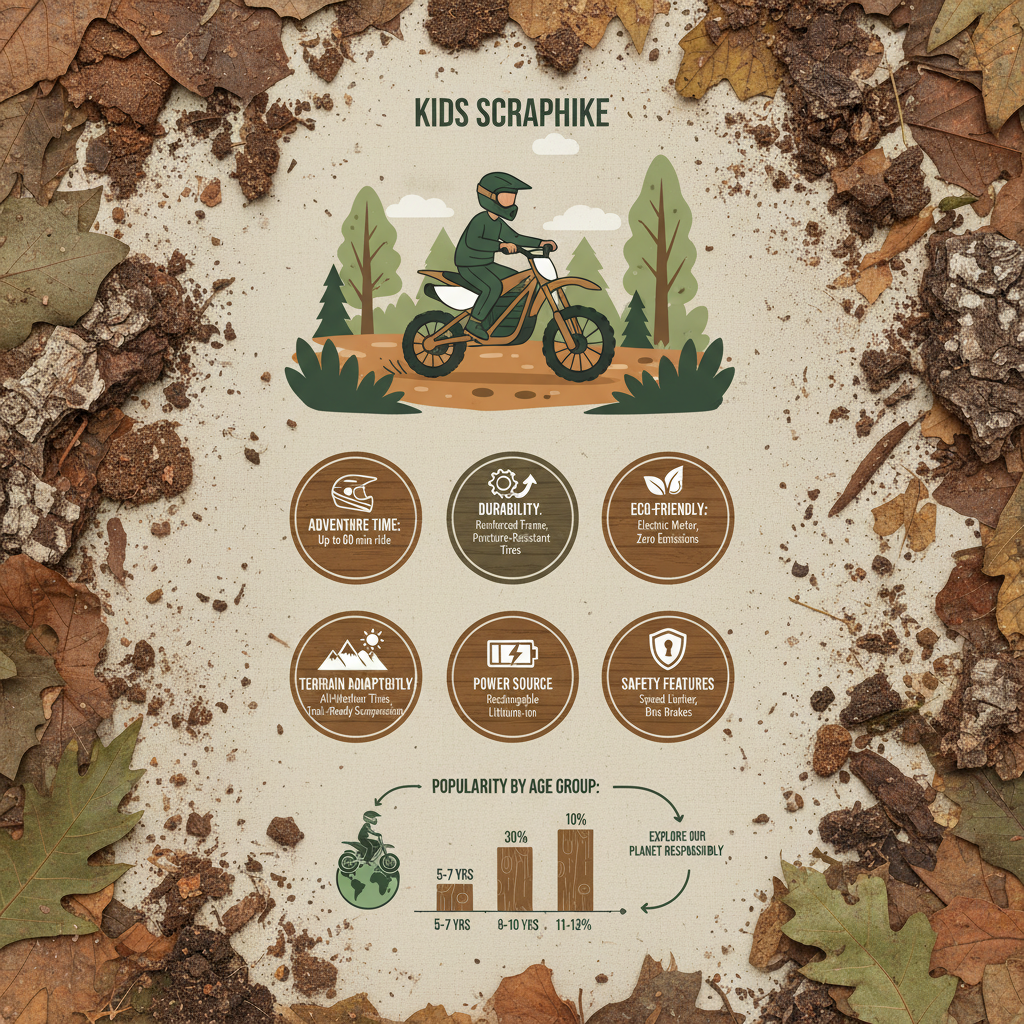
Durability: kids motorcycle bikes are subjected to significant stress from rough terrain and enthusiastic young riders. A robust frame, high-quality suspension, and durable components are essential for withstanding these conditions and ensuring a long lifespan. Materials like steel and high-impact plastics are commonly used.
Safety Features: Prioritizing safety is paramount. This includes features like speed limiters, remote control shut-off capabilities (for parental supervision), reliable brakes, and protective guards to prevent contact with moving parts. Proper helmet and protective gear are also crucial components of a safe riding experience.
Power Source: kids motorcycle bikes are typically powered by either gasoline engines or electric motors. Gasoline models offer longer run times but require more maintenance and produce emissions. Electric models are quieter, cleaner, and require less maintenance, but have a limited range.
Ergonomics and Comfort: A comfortable riding position is essential for extended use. Adjustable seat heights, properly positioned handlebars, and comfortable grips contribute to a positive riding experience and reduce fatigue.
Age Appropriateness: kids motorcycle bikes are designed for specific age ranges, with engine size and features tailored to the developmental stage of the rider. Selecting a bike that is appropriate for the child's size, strength, and experience level is crucial for safety and enjoyment.
Global Applications and Growing Use Cases
While primarily recreational, kids motorcycle bikes find application in various specialized areas. They are increasingly popular at amusement parks and recreational facilities, providing a thrilling activity for children. Some are used in training programs for young aspiring motocross or enduro riders, offering a safe and controlled environment to develop essential skills.
In regions with large rural properties, kids motorcycle bikes can provide a convenient and efficient way for children to navigate larger areas of land, facilitating chores or simply exploring the outdoors. These bikes are also becoming increasingly common at organized events like birthday parties and family gatherings.
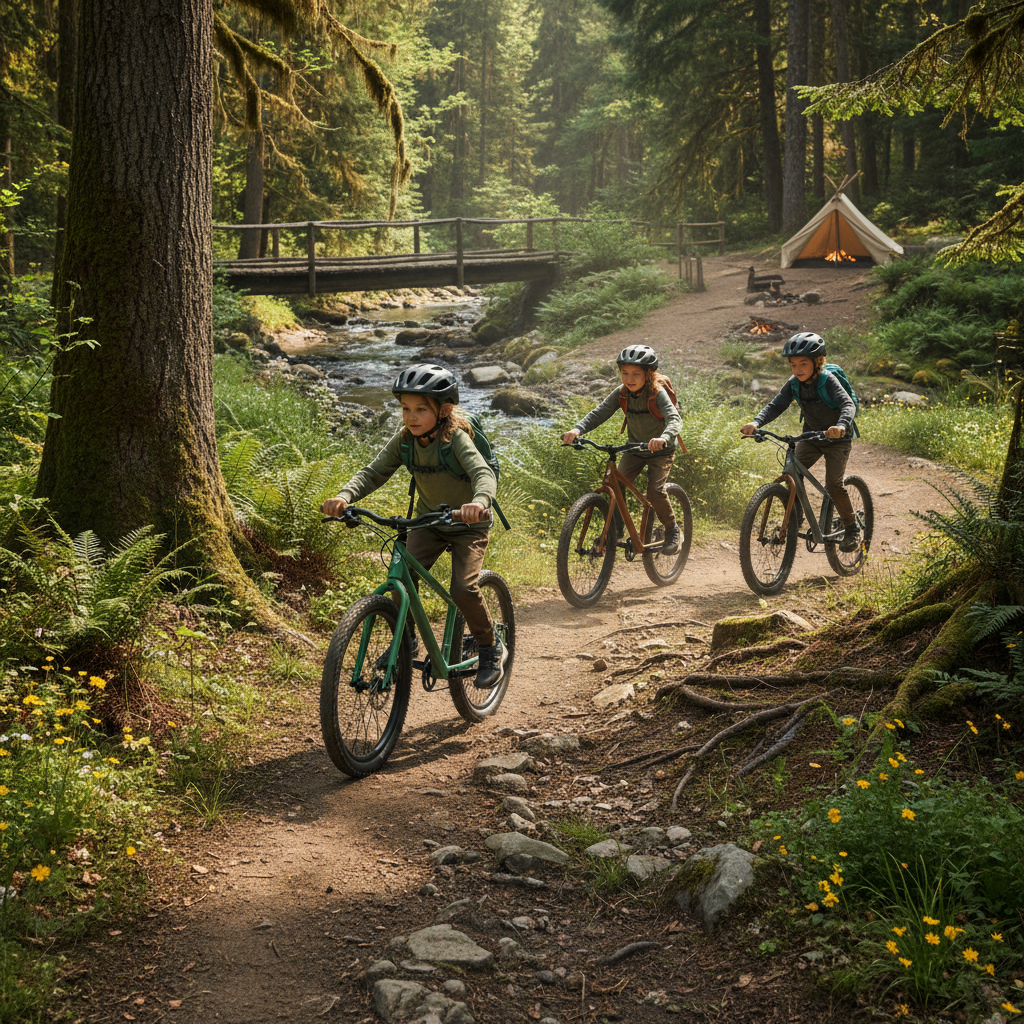
The trend of “glamping” and outdoor family adventures is also driving demand, as families seek fun and engaging activities to enjoy in natural settings. kids motorcycle bikes provide a unique and memorable experience for children, fostering a love of the outdoors and a sense of independence.
kids motorcycle bike Performance Comparison
Advantages and Long-Term Value Proposition
The tangible benefits of kids motorcycle bikes extend beyond simple entertainment. Electric models, in particular, offer significant cost savings over time, due to lower fuel and maintenance expenses. Their quiet operation and zero emissions contribute to a more sustainable lifestyle. Furthermore, the development of riding skills can foster a sense of responsibility and confidence in children.
From an emotional standpoint, kids motorcycle bikes create lasting memories and provide opportunities for family bonding. The sense of adventure and independence they offer can be incredibly empowering for young riders. The long-term value lies not only in the physical product but also in the experiences and skills gained.
Future Trends and Innovative Developments
The future of kids motorcycle bikes is closely tied to advancements in battery technology and electric vehicle innovation. We can anticipate longer battery ranges, faster charging times, and more powerful motors. The integration of smart technology – such as GPS tracking, geofencing, and remote monitoring – will further enhance safety and parental control.
Sustainability will also play a greater role, with manufacturers exploring the use of recycled materials and environmentally friendly manufacturing processes. The development of modular designs, allowing for easy upgrades and repairs, will extend the lifespan of these bikes and reduce waste.
Challenges and Sustainable Solutions for kids motorcycle bike
One of the primary challenges is ensuring rider safety. Despite built-in safety features, accidents can still occur. Promoting responsible riding habits, enforcing helmet use, and providing comprehensive parental supervision are crucial. The cost of entry can also be a barrier for some families, particularly for high-quality electric models.
To address the cost issue, leasing programs and affordable financing options can make these bikes more accessible. Developing standardized safety certifications and rider training programs will further enhance safety and promote responsible use.
Finally, addressing the environmental impact of battery disposal is essential. Implementing robust recycling programs and investing in more sustainable battery technologies will minimize the environmental footprint of kids motorcycle bikes.
Summary of kids motorcycle bike Challenges and Solutions
| Challenge Area |
Severity of Impact |
Proposed Solution |
Implementation Cost (1-10) |
| Rider Safety Concerns |
High |
Mandatory Helmet Laws & Training |
5 |
| High Initial Purchase Cost |
Medium |
Leasing Programs & Financing Options |
4 |
| Battery Disposal & Recycling |
Medium |
Establish Recycling Infrastructure |
7 |
| Limited Range of Electric Models |
Low |
Investment in Battery Tech |
8 |
| Lack of Standardized Safety Ratings |
Medium |
Develop Industry-Wide Safety Standards |
6 |
| Maintenance Complexity (Gasoline Models) |
Low |
Simplified Engine Designs & Service Networks |
3 |
FAQS
Generally, a child should be at least 6 years old and possess the necessary coordination and strength to operate a kids motorcycle bike safely. It’s crucial to consider the child’s maturity level and physical capabilities. Always start with a smaller, lower-powered bike and provide close supervision. Look for models with adjustable speed limiters to control the power output as the child gains experience.
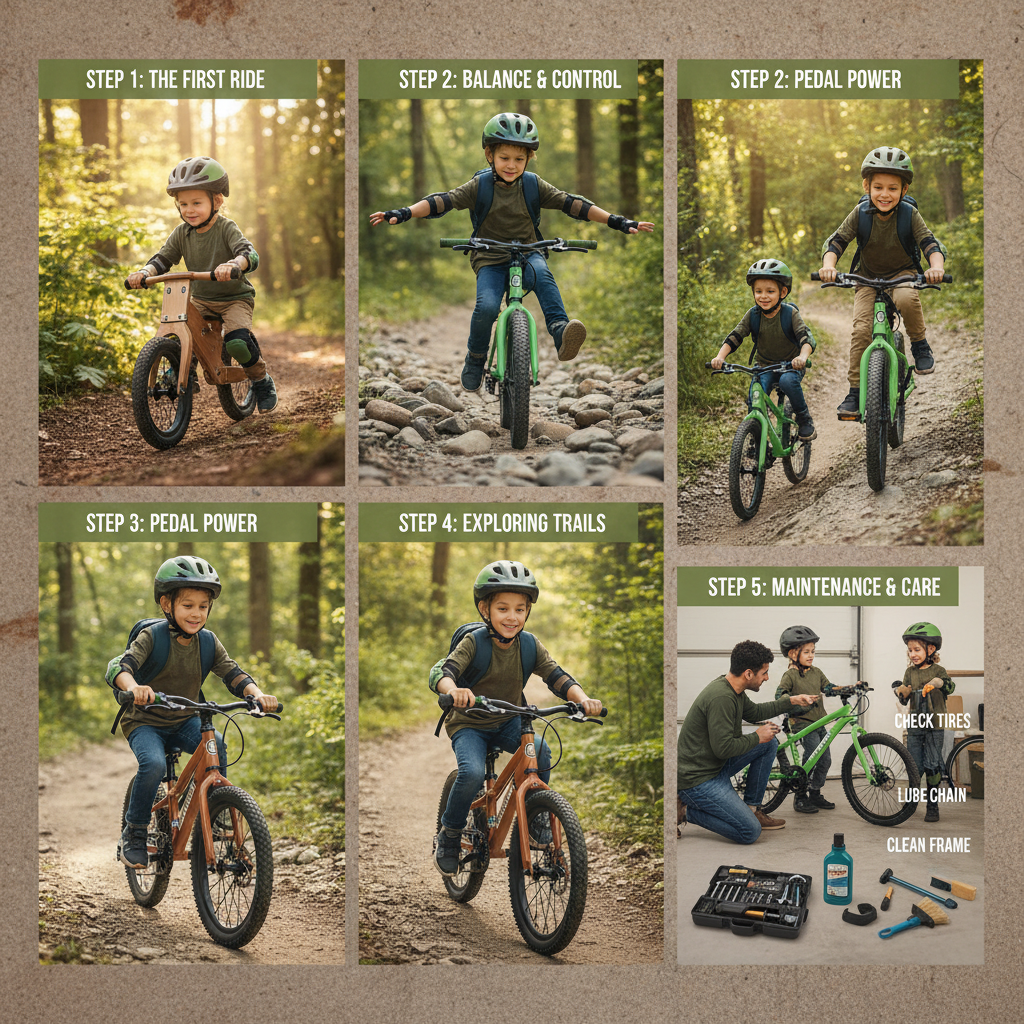
Safety is paramount. While kids motorcycle bikes can be safe with proper precautions, it's vital to prioritize safety gear, including a properly fitted helmet, eye protection, gloves, and appropriate clothing. Always ride in a safe, controlled environment, away from traffic and obstacles. Regular maintenance and inspection of the bike are also crucial for ensuring safe operation.
Electric kids motorcycle bikes are quieter, produce zero emissions, require less maintenance, and typically have speed limiters. Gasoline-powered bikes offer longer run times but require more maintenance, produce emissions, and can be louder. Electric models are generally more eco-friendly and beginner-friendly, while gasoline models may be preferred for longer rides or more challenging terrain.
Maintenance requirements vary depending on the bike's power source. Electric models require minimal maintenance – primarily battery charging and occasional inspection of brakes and tires. Gasoline-powered bikes require regular oil changes, air filter cleaning, and spark plug replacements. Regardless of the power source, regular inspection of all components and adherence to the manufacturer's maintenance schedule are essential.
It's crucial to choose a safe riding environment. Ideal locations include large, open fields, private property, or designated off-road tracks. Avoid riding on public roads, sidewalks, or in areas with traffic. Always obtain permission before riding on private property and ensure the area is free from obstacles and hazards.
Essential safety gear includes a properly fitted helmet that meets safety standards, eye protection (goggles or a face shield), gloves, long sleeves, long pants, and sturdy shoes. Consider additional protective gear, such as knee pads, elbow pads, and a chest protector, depending on the riding conditions and the child's experience level.
Conclusion
In conclusion, kids motorcycle bikes represent a compelling blend of recreation, skill-building, and outdoor engagement for young riders. From their evolution rooted in motorcycle design to their increasingly sophisticated features and sustainability initiatives, these bikes offer a unique and valuable experience. Prioritizing safety, responsible riding habits, and ongoing innovation will ensure their continued popularity and positive impact.
Looking ahead, continued advancements in battery technology, smart safety features, and sustainable manufacturing practices will further enhance the appeal of kids motorcycle bikes. By fostering a culture of responsible riding and embracing innovation, we can unlock the full potential of these bikes and provide children with a safe, fun, and enriching experience for years to come.

 English
  Afrikaans
  Albanian
  Amharic
  Arabic
  Armenian
  Azerbaijani
  Basque
  Belarusian
  Bengali
  Bosnian
  Bulgarian
  Catalan
  Cebuano
  Corsican
  Croatian
  Czech
Czech  Danish
  Dutch
Dutch  Esperanto
  Estonian
  Finnish
  French
  Frisian
  Galician
  Georgian
  German
  Greek
Greek  Gujarati
  Haitian Creole
  Hausa
Hausa  Hawaiian
  Hebrew
  Hindi
Hindi  Miao
Miao  Hungarian
  Icelandic
  Igbo
Igbo  Indonesian
  Irish
Irish  Italian
  Japanese
  Javanese
  Kannada
  Kazakh
  Khmer
Khmer  Rwandese
  Korean
  Kurdish
  Kyrgyz
  Lao
Lao  Latin
Latin  Latvian
  Lithuanian
  Luxembourgish
  Macedonian
  Malgashi
  Malay
Malay  Malayalam
  Maltese
  Maori
Maori  Marathi
  Mongolian
  Myanmar
  Nepali
  Norwegian
  Norwegian
  Occitan
  Pashto
  Persian
  Polish
  Portuguese
  Punjabi
  Romanian
  Russian
  Samoan
  Scottish Gaelic
  Serbian
  Sesotho
  Shona
Shona  Sindhi
  Sinhala
  Slovak
  Slovenian
  Somali
  Spanish
  Sundanese
  Swahili
  Swedish
  Tagalog
  Tajik
Tajik  Tamil
Tamil  Tatar
Tatar  Telugu
  Thai
Thai  Turkish
  Turkmen
  Ukrainian
  Urdu
Urdu  Uighur
  Uzbek
Uzbek  Vietnamese
  Welsh
Welsh  Bantu
Bantu  Yiddish
  Yoruba
  Zulu
Zulu