Kids mountain bikes are becoming increasingly popular as families seek outdoor activities and ways to promote a healthy lifestyle. These bikes are designed to handle rugged terrain, offering durability and performance tailored for younger riders. The rising demand stems from a greater awareness of the benefits of exercise and outdoor recreation, coupled with advancements in bike technology specifically catering to children’s needs.
The global market for kids mountain bikes is experiencing significant growth, driven by increased disposable incomes in emerging economies and a growing trend toward adventure tourism. According to industry reports, the youth bicycle segment, including mountain bikes, has seen a consistent rise in sales over the past decade. This growth signifies a shift in family priorities, emphasizing experiences over material possessions and a desire to connect with nature.
Understanding the nuances of kids mountain bikes – from appropriate sizing and safety features to component quality and maintenance – is vital for parents and guardians. Choosing the right bike ensures a safe, enjoyable, and confidence-building experience for children, fostering a lifelong love for cycling. Investing in quality kids mountain bikes can contribute to a child's physical and mental well-being.
The Core Principles of kids mountain bikes
At the heart of choosing the right kids mountain bike lies understanding the principle of proportionality. A bike that’s too large or too small will hinder a child's ability to control it effectively, potentially leading to accidents and frustration. Proper sizing is paramount, considering not just height but also inseam length. kids mountain bikes are available in a wide range of sizes to ensure a comfortable and safe fit.
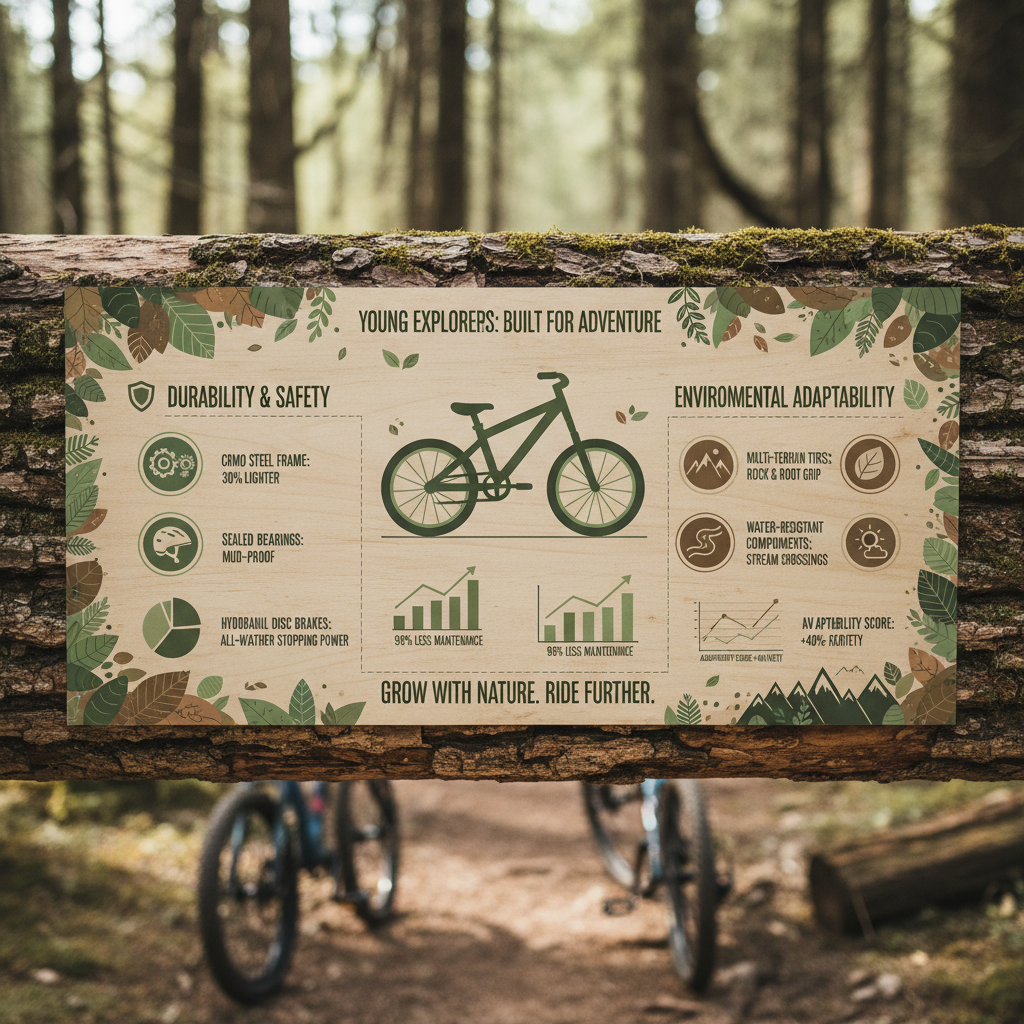
Furthermore, the core design of kids mountain bikes prioritizes safety and durability. Features like responsive brakes, robust frames, and knobby tires are essential for navigating varied terrains. Manufacturers increasingly incorporate lightweight materials to make bikes easier for children to maneuver, enhancing their confidence and enjoyment.
The Global Landscape of kids mountain bikes
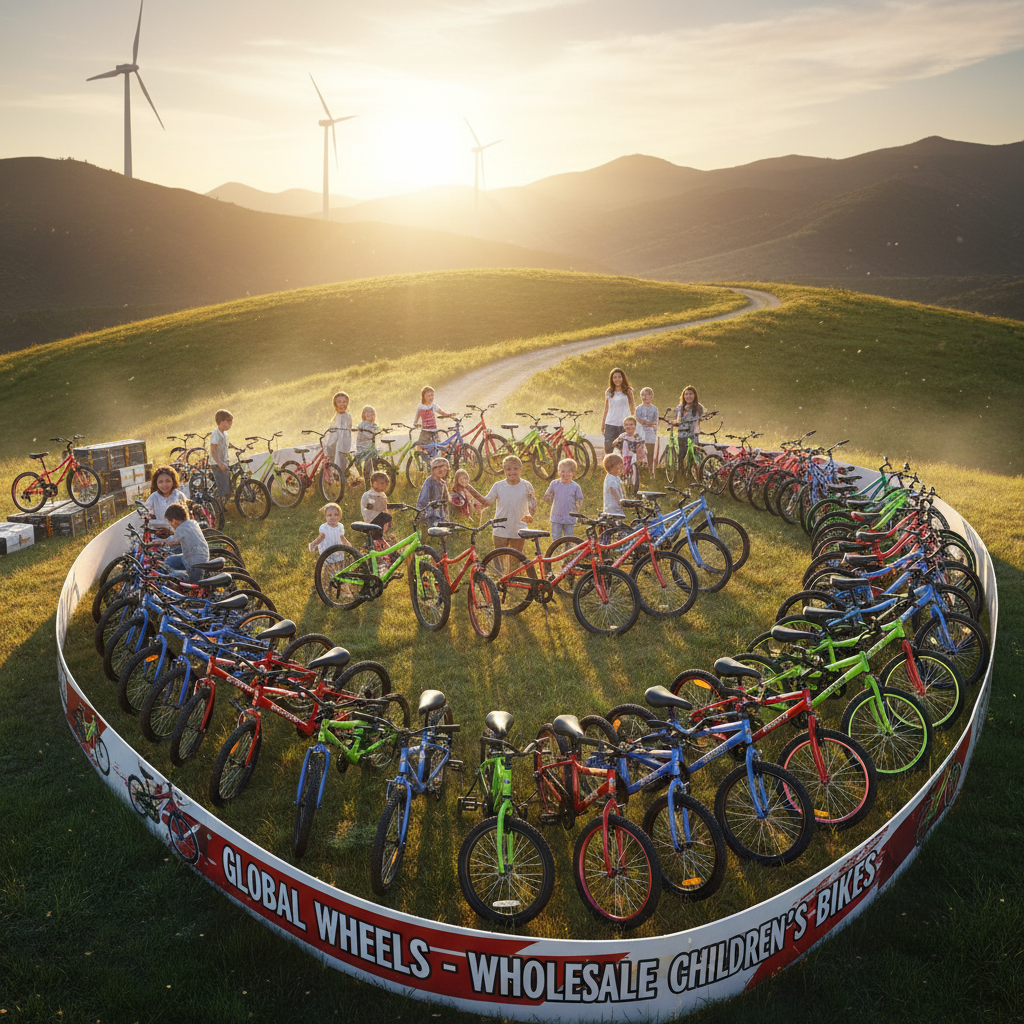
The demand for kids mountain bikes isn’t confined to a single region; it's a global phenomenon. North America and Europe represent significant markets, driven by established cycling cultures and recreational opportunities. However, emerging economies in Asia-Pacific, such as China and India, are witnessing rapid growth due to increasing disposable incomes and a growing emphasis on outdoor activities.
The global kids mountain bike market is estimated to be worth billions of dollars annually, with a projected compound annual growth rate (CAGR) of around 5-7% over the next five years. This growth is fueled by factors like increasing health awareness, the popularity of family-oriented adventure tourism, and advancements in bicycle technology.
Competition within the industry is intense, with numerous manufacturers vying for market share. Key players include established bicycle brands and emerging companies specializing in children’s bikes. The market is characterized by a constant drive for innovation, with companies focusing on developing lighter, safer, and more affordable kids mountain bikes.
Defining kids mountain bikes
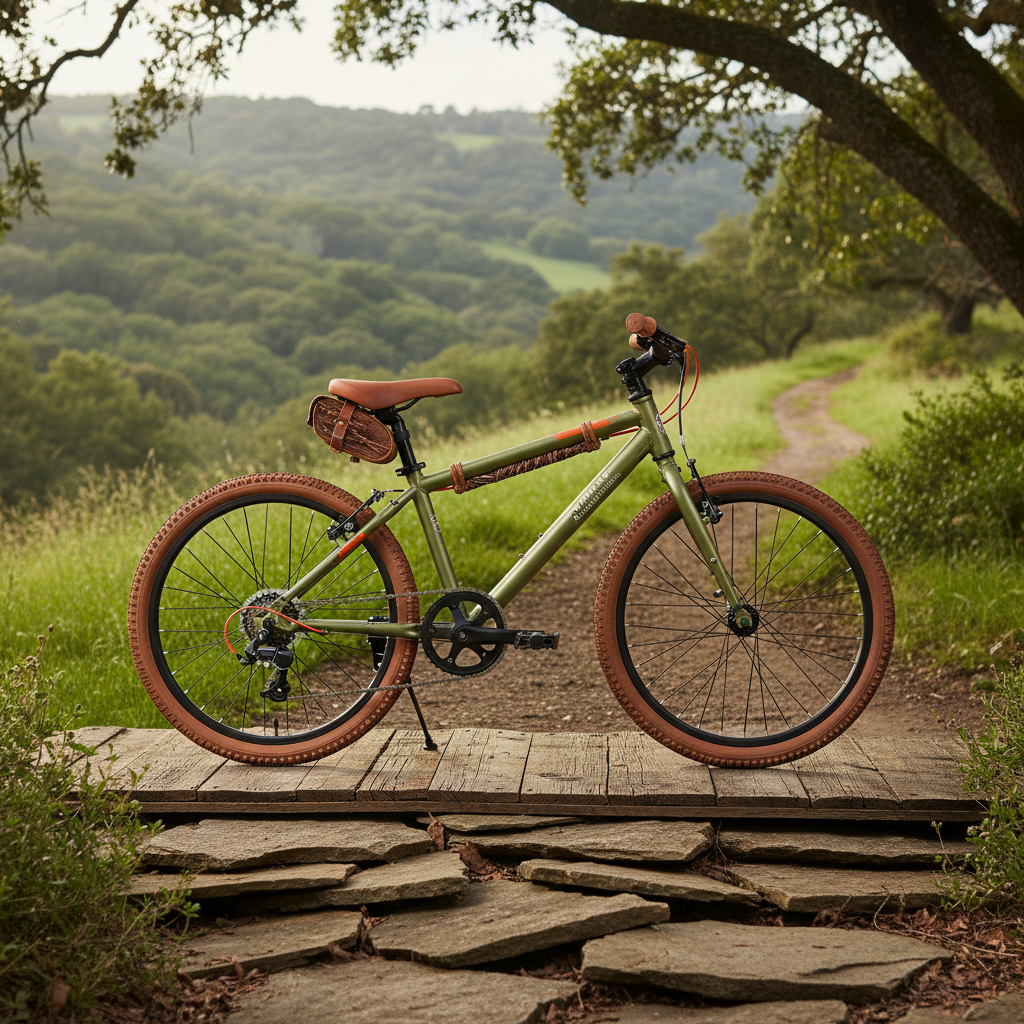
Kids mountain bikes are specifically designed bicycles intended for off-road cycling by children and young adolescents. Unlike traditional bikes, they feature robust frames, suspension systems (in some models), and knobby tires optimized for handling uneven terrain such as dirt trails, gravel paths, and wooded areas. These bikes prioritize durability, control, and comfort for young riders navigating challenging environments.
The connection to modern industry stems from the broader cycling industry's growth and the increasing demand for specialized bikes. Manufacturers are now tailoring designs to meet the unique needs of younger cyclists, focusing on lightweight materials, appropriate geometries, and safety features. This specialization has created a distinct segment within the bicycle market, driven by consumer demand and technological advancements.
In terms of humanitarian needs, while not directly linked to essential aid, providing children with access to kids mountain bikes can encourage physical activity, promote a healthy lifestyle, and foster a sense of independence and well-being. This contributes to overall child development and can have positive social and emotional impacts.
Key Factors Influencing kids mountain bikes Performance
Durability is a critical factor in kids mountain bikes, given the often-rough treatment they receive. Frames constructed from aluminum alloy or steel are common, offering a balance of strength and weight. Components, such as derailleurs and brakes, should be robust enough to withstand frequent use and exposure to the elements.
Weight is equally important. Lighter bikes are easier for children to maneuver, enhancing their control and confidence. Manufacturers are increasingly employing lightweight materials like aluminum and optimizing frame designs to reduce overall weight without compromising strength.
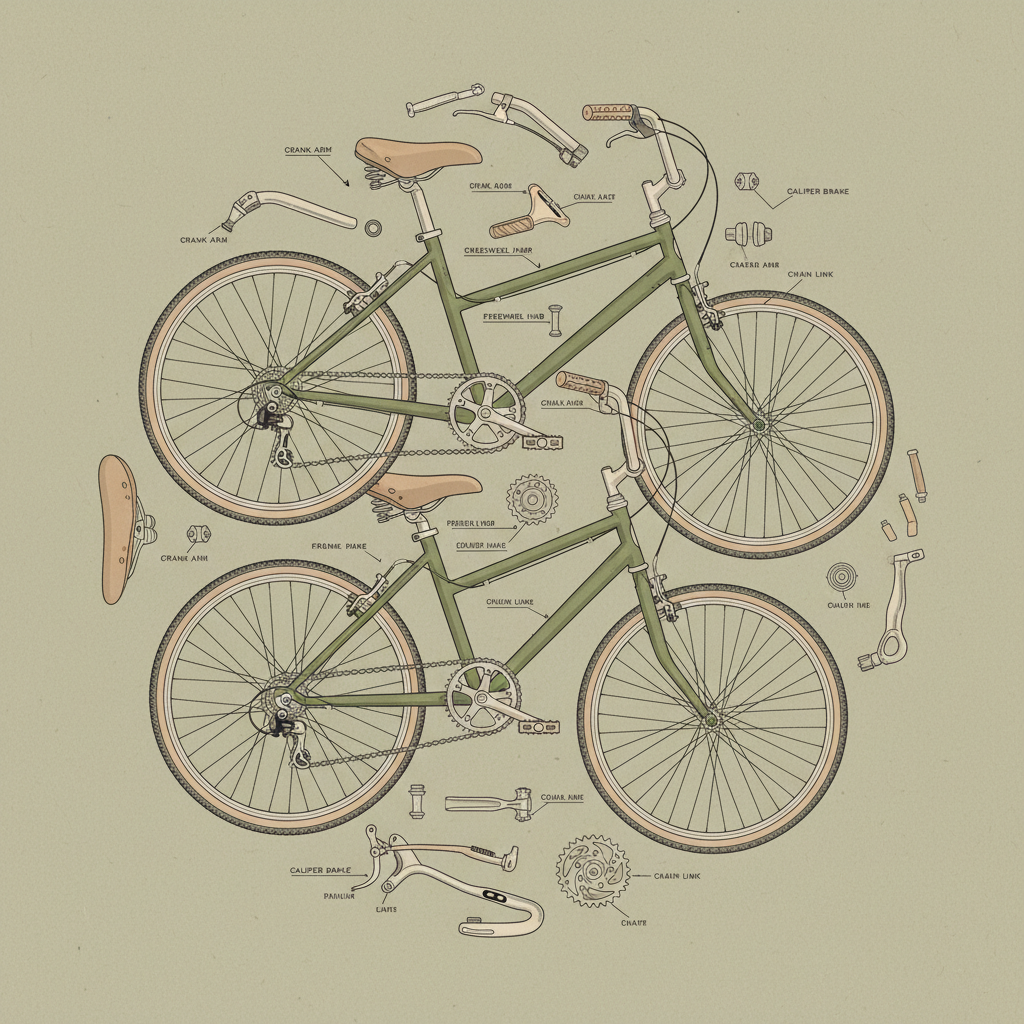
Component Quality Assessment for kids mountain bikes
Global Applications of kids mountain bikes
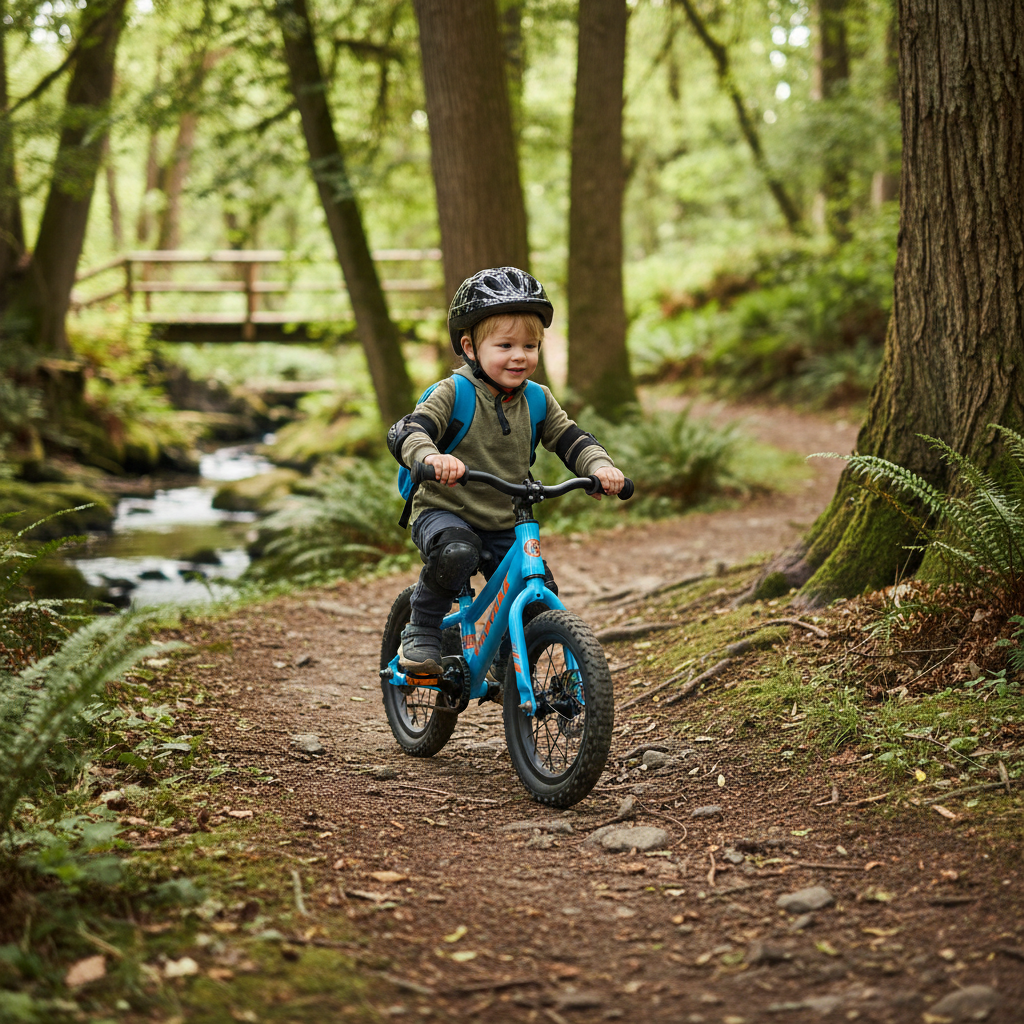
In recreational settings, kids mountain bikes are widely used in parks, forests, and dedicated mountain biking trails, offering children a fun and engaging way to explore the outdoors. Many resorts and adventure parks now cater specifically to young mountain bikers, providing trails and instruction tailored to their skill levels.
Competitive mountain biking events for children are becoming increasingly popular, providing opportunities for young riders to develop their skills and compete against their peers. These events promote sportsmanship, teamwork, and a love for cycling.
The Advantages of Investing in kids mountain bikes
Investing in quality kids mountain bikes offers numerous tangible benefits. Durability translates to a longer lifespan, reducing the need for frequent replacements. Enhanced safety features, such as reliable brakes and appropriate sizing, minimize the risk of accidents and injuries.
Beyond the practical advantages, kids mountain bikes foster a sense of independence, confidence, and physical fitness in children. They encourage outdoor activity, promote a healthy lifestyle, and provide opportunities for family bonding and exploration. These benefits contribute to a child's overall well-being and development.
Future Trends in kids mountain bikes
Electric assist kids mountain bikes are an emerging trend, providing a boost for young riders tackling challenging terrain. These bikes offer adjustable levels of assistance, allowing children to ride further and conquer steeper hills with greater ease.
The integration of smart technology, such as GPS tracking and performance monitoring, is also gaining traction. These features allow parents to track their child's location and monitor their riding activity, enhancing safety and providing valuable data.
Sustainability is becoming an increasingly important consideration, with manufacturers exploring the use of recycled materials and eco-friendly manufacturing processes. This reflects a growing awareness of environmental concerns and a commitment to responsible production.
Key Design Parameters for Future kids mountain bikes
| Parameter |
Current Status |
Future Projections |
Impact on kids mountain bikes |
| Frame Material |
Aluminum Alloy, Steel |
Carbon Fiber, Recycled Plastics |
Lighter weight, increased durability |
| Braking System |
V-Brakes, Disc Brakes |
Hydraulic Disc Brakes, Regenerative Braking |
Improved stopping power, enhanced safety |
| Suspension |
Rigid Fork, Front Suspension |
Full Suspension, Adjustable Suspension |
Increased comfort, improved handling |
| Motor (E-bikes) |
Limited Availability |
Increased Power, Optimized Efficiency |
Easier climbs, longer rides |
| Connectivity |
Basic Speedometer |
GPS Tracking, Performance Monitoring |
Enhanced safety, data-driven insights |
| Manufacturing |
Traditional Methods |
3D Printing, Sustainable Materials |
Reduced waste, lower environmental impact |
FAQS
Determining the correct size is crucial for safety and comfort. Instead of relying solely on age, measure your child’s inseam and compare it to the manufacturer’s size chart. A properly sized bike allows them to comfortably reach the pedals and handlebars while maintaining a slight bend in their elbows. Remember, it's often better to err on the side of a slightly smaller bike, as a bike that’s too large can be difficult to control. Consider visiting a local bike shop for a professional fitting.
Yes, kids mountain bikes are specifically designed to withstand the rigors of off-road riding. They typically feature robust frames made from aluminum alloy or steel, and components like derailleurs and brakes are chosen for their durability. However, the level of durability varies depending on the price point and the intended use. Higher-end models will generally offer superior durability and performance.
Prioritize bikes with reliable brakes (disc brakes are often preferred for their stopping power), a comfortable saddle, and appropriately sized handlebars. Ensure the bike has a well-fitted helmet and consider adding accessories like knee and elbow pads for added protection. Regularly inspect the bike for any loose bolts or worn components. Proper maintenance is essential for ensuring ongoing safety.
A hardtail bike has suspension only in the front fork, while a full-suspension bike has suspension in both the front and rear. Full-suspension bikes offer a more comfortable ride on rough terrain, as they absorb more bumps and vibrations. However, they are typically more expensive and require more maintenance. Hardtails are a good option for beginners or for riders who primarily ride on smoother trails.
Regular maintenance is key to keeping the bike in good working order. Check the tire pressure before each ride, and lubricate the chain regularly. Inspect the brakes for wear and tear, and tighten any loose bolts. A professional tune-up at a local bike shop is recommended at least once a year, or more frequently if the bike is used extensively.
Electric kids mountain bikes can be a great option for children who struggle with hills or long distances. They provide a boost of power, making it easier to tackle challenging terrain. However, it’s important to choose a bike with appropriate power settings and to supervise your child closely when they are riding an e-bike. Safety is paramount, and proper instruction is essential.
Conclusion
In summary, kids mountain bikes offer a fantastic pathway to outdoor adventure, promoting physical activity, and fostering a lifelong love of cycling. Choosing the right bike involves considering factors like sizing, durability, safety features, and intended use. Understanding the evolving trends in materials, technology, and sustainability will ensure that your child benefits from the latest advancements in bike design.
As the market for kids mountain bikes continues to grow, we can anticipate further innovations in areas like electric assist, smart technology, and eco-friendly manufacturing. Encouraging children to embrace outdoor recreation and develop a passion for cycling is a valuable investment in their health, well-being, and future.

 English
  Afrikaans
  Albanian
  Amharic
  Arabic
  Armenian
  Azerbaijani
  Basque
  Belarusian
  Bengali
  Bosnian
  Bulgarian
  Catalan
  Cebuano
  Corsican
  Croatian
  Czech
Czech  Danish
  Dutch
Dutch  Esperanto
  Estonian
  Finnish
  French
  Frisian
  Galician
  Georgian
  German
  Greek
Greek  Gujarati
  Haitian Creole
  Hausa
Hausa  Hawaiian
  Hebrew
  Hindi
Hindi  Miao
Miao  Hungarian
  Icelandic
  Igbo
Igbo  Indonesian
  Irish
Irish  Italian
  Japanese
  Javanese
  Kannada
  Kazakh
  Khmer
Khmer  Rwandese
  Korean
  Kurdish
  Kyrgyz
  Lao
Lao  Latin
Latin  Latvian
  Lithuanian
  Luxembourgish
  Macedonian
  Malgashi
  Malay
Malay  Malayalam
  Maltese
  Maori
Maori  Marathi
  Mongolian
  Myanmar
  Nepali
  Norwegian
  Norwegian
  Occitan
  Pashto
  Persian
  Polish
  Portuguese
  Punjabi
  Romanian
  Russian
  Samoan
  Scottish Gaelic
  Serbian
  Sesotho
  Shona
Shona  Sindhi
  Sinhala
  Slovak
  Slovenian
  Somali
  Spanish
  Sundanese
  Swahili
  Swedish
  Tagalog
  Tajik
Tajik  Tamil
Tamil  Tatar
Tatar  Telugu
  Thai
Thai  Turkish
  Turkmen
  Ukrainian
  Urdu
Urdu  Uighur
  Uzbek
Uzbek  Vietnamese
  Welsh
Welsh  Bantu
Bantu  Yiddish
  Yoruba
  Zulu
Zulu