Finding high-quality yet cheap childrens bikes requires a balance between cost-efficiency and uncompromising safety standards. In the competitive landscape of the transportation equipment manufacturing industry, the focus has shifted toward providing durable entry-level cycles that encourage early childhood physical activity without placing a heavy financial burden on parents.
The primary challenge for buyers is distinguishing between "budget-friendly" and "low-quality." Many consumers struggle to identify which materials—such as steel frames or EVA foam wheels—offer the best longevity and safety for toddlers and students, leading to frequent replacements and wasted expenditure.
This professional analysis provides a comprehensive framework for evaluating budget bicycles, covering essential material specifications, safety certifications, and a procurement guide to help buyers secure reliable transport for children while optimizing their investment.

Understanding the Budget Children's Bike Market

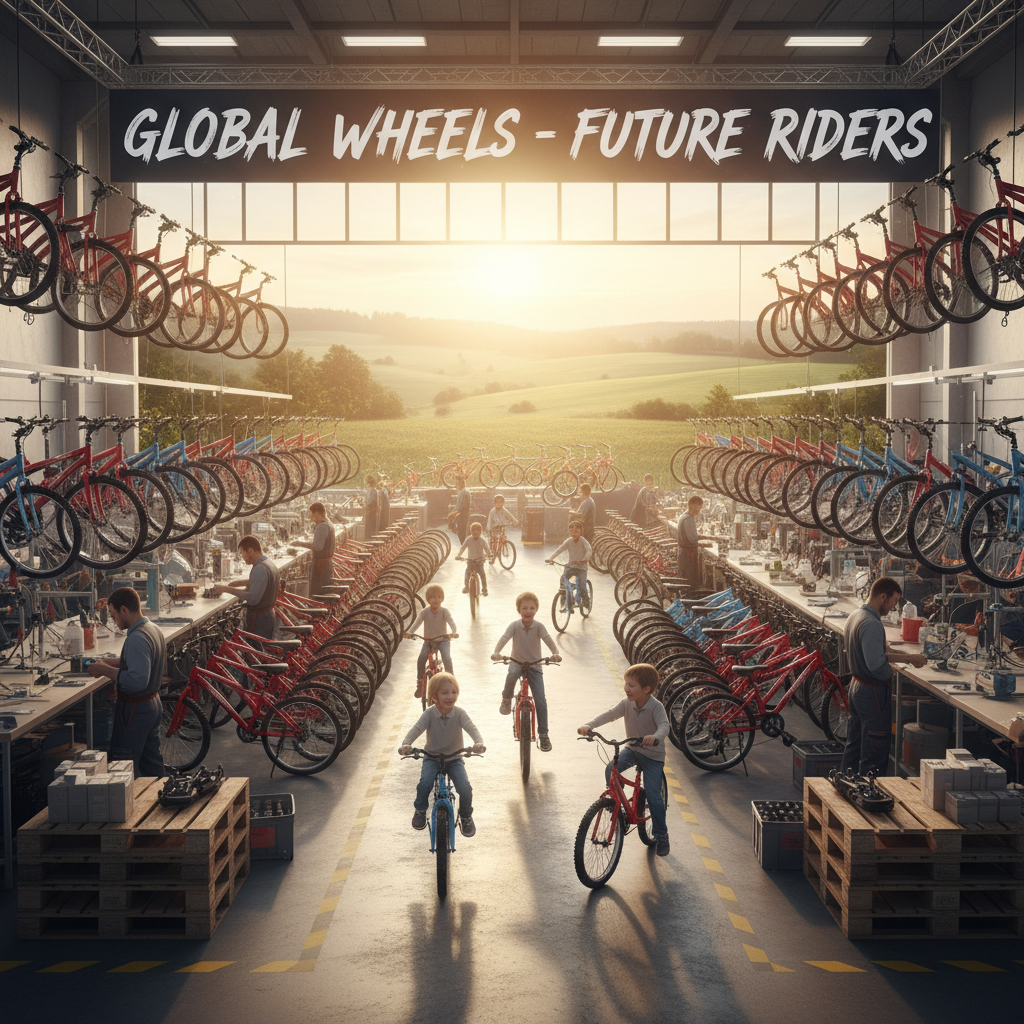
The market for cheap childrens bikes is driven by the need for scalable transportation solutions that grow with the child. From a manufacturing perspective, cost reduction is typically achieved through streamlined assembly lines and the use of standardized components, such as single-speed gears and steel frames, which offer high structural integrity at a lower price point than carbon or aluminum alloys.
For B2B buyers and retailers, the value proposition lies in sourcing products that meet international safety norms while remaining accessible to a broad demographic. The integration of professional quality control lines ensures that even budget-tier products maintain consistent tolerances and operational safety.
Critical Material Specifications for Low-Cost Bikes
Material choice is the primary determinant of both the price and the lifespan of a child's bike. Steel remains the industry standard for budget frames due to its strength and ease of manufacture. For instance, a full shockingproof steel frame provides the necessary rigidity to support load capacities up to 50kg, making it suitable for various age groups.
Other key components include the wheel material and braking systems. While high-end bikes use pneumatic tires, many cheap childrens bikes utilize EVA or thickened alloy rims to reduce maintenance and cost. Braking is typically handled by a reliable brake line system, providing sufficient stopping power for low-speed urban environments.
Matching Bike Types to Child Development Stages
Selecting the right category of bike is essential for safety and skill development. Balance bikes are ideal for the earliest stages, removing pedals to allow children to master equilibrium. As they progress, transition bikes with 12-inch wheels and training wheels provide the necessary support for pedagogical learning.
For older children and students, the transition to 18, 20, or 22-inch mountain bikes allows for increased versatility. These models often introduce variable speeds and MTB-type handlebars, shifting the focus from basic balance to active sports and commuting.
Analyzing Value-to-Durability Ratios
When evaluating cheap childrens bikes, buyers should use a normalized scoring system to compare different product tiers. This conceptual framework helps in understanding how a reduction in price affects specific performance indicators like weight, load capacity, and component wear.
The data above represents a relative evaluation of budget categories. While entry-level balance bikes score highest on weight efficiency, mid-tier kids' bikes offer a better balance of load capacity and structural durability, making them more sustainable for long-term use.
Safety Compliance and Certification Standards
Affordability must never supersede safety. Professional manufacturers ensure their products adhere to strict international standards to prevent accidents. Key certifications to look for include ISO 9001 for quality management and CCC for domestic safety compliance.
Furthermore, for export markets, certifications such as CE, ASTM F963, and CPSIA are critical. These standards govern everything from the non-toxicity of the grip materials to the structural integrity of the saddle and seat tube, ensuring that a "cheap" bike is still a safe bike.
Common Pitfalls in Budget Bicycle Procurement
A common mistake in purchasing cheap childrens bikes is overlooking the "total cost of ownership." Buying the absolute cheapest option often leads to high maintenance costs if the parts are non-standard or the frame is prone to premature fatigue.
Another risk is ignoring the suitability of the frame type. For example, using a standard frame where a shockingproof frame is needed for rougher terrain can lead to a poor user experience and increased risk of component failure. Buyers should prioritize suppliers who offer a clear quality control process and delivery guarantees.
Strategic Selection Framework for Buyers
To make an informed decision, buyers should compare options based on the intended user age and the expected environment of use. The following table provides a qualitative comparison of common budget-friendly categories based on industry standards.
| Bike Category | Primary Material | Best Use Case | Key Consideration |
|---|---|---|---|
| Balance Bike | Steel / EVA | Early Balance | Weight/Stability |
| Kids Tricycle | Steel / Plastic | Toddler First Ride | Wheel Stability |
| Mini Bike (12") | Steel Frame | Beginner Pedaling | Brake Reliability |
| Kids Scooter | Alloy / PU | Urban Short Trips | Bearing Quality |
| Mountain Bike | Steel / Alloy | Student Sports | Gear Shift Precision |
| Swing Car | ABS Plastic | Indoor Recreation | Surface Friction |
By aligning the product category with the child's developmental needs, procurement managers and parents can maximize the utility of budget-priced equipment while ensuring a safe riding experience.
Frequently Asked Questions
Check for recognized safety certifications such as CE, ASTM F963, or CPSIA. Additionally, inspect the weld points of the steel frame and the responsiveness of the brake line to ensure structural and operational integrity.
Steel provides a high strength-to-cost ratio, making it durable and capable of supporting significant load capacities (often up to 50kg for kids' bikes) while keeping the retail price low.
EVA wheels are puncture-proof and require zero maintenance, which is ideal for very young children. Air wheels provide better cushioning and grip but require regular inflation.
Typically, children around 10 years old transition to 20 or 22-inch wheels. Mountain bike styles with variable speeds are recommended for this age group to accommodate their growth and sports activities.
Yes, many professional manufacturers offer OEM services, allowing buyers to customize brands and stickers on budget models to align with their own corporate identity.
Look for adjustable seat tubes with quick-release mechanisms. This allows the bike to grow with the child, extending the product's usable lifespan.
Conclusion
Securing high-value cheap childrens bikes is a matter of prioritizing material durability and safety certifications over the lowest possible price. By focusing on steel frame integrity, appropriate wheel sizing for the child's age, and verified compliance with international standards like CE and ASTM, buyers can ensure a safe and enjoyable introduction to cycling.
For those seeking reliable manufacturing partners and detailed product specifications for bulk procurement, professional solutions can be explored at www.zhongzhoubike.com to match specific application requirements.



 English
 Afrikaans
 Albanian
 Amharic
 Arabic
 Armenian
 Azerbaijani
 Basque
 Belarusian
 Bengali
 Bosnian
 Bulgarian
 Catalan
 Cebuano
 Corsican
 Croatian
 Czech
 Danish
 Dutch
 Esperanto
 Estonian
 Finnish
 French
 Frisian
 Galician
 Georgian
 German
 Greek
 Gujarati
 Haitian Creole
 Hausa
 Hawaiian
 Hebrew
 Hindi
 Miao
 Hungarian
 Icelandic
 Igbo
 Indonesian
 Irish
 Italian
 Japanese
 Javanese
 Kannada
 Kazakh
 Khmer
 Rwandese
 Korean
 Kurdish
 Kyrgyz
 Lao
 Latin
 Latvian
 Lithuanian
 Luxembourgish
 Macedonian
 Malgashi
 Malay
 Malayalam
 Maltese
 Maori
 Marathi
 Mongolian
 Myanmar
 Nepali
 Norwegian
 Norwegian
 Occitan
 Pashto
 Persian
 Polish
 Portuguese
 Punjabi
 Romanian
 Russian
 Samoan
 Scottish Gaelic
 Serbian
 Sesotho
 Shona
 Sindhi
 Sinhala
 Slovak
 Slovenian
 Somali
 Spanish
 Sundanese
 Swahili
 Swedish
 Tagalog
 Tajik
 Tamil
 Tatar
 Telugu
 Thai
 Turkish
 Turkmen
 Ukrainian
 Urdu
 Uighur
 Uzbek
 Vietnamese
 Welsh
 Bantu
 Yiddish
 Yoruba
 Zulu