Choosing the perfect small kids bike is more than just a purchase; it is an investment in a child's physical development and their lifelong relationship with outdoor activity. In an era dominated by digital screens, providing a high-quality first ride helps toddlers develop essential gross motor skills, balance, and spatial awareness.
Across the globe, the demand for specialized children's transportation has surged as parents prioritize "active play" and sustainable mobility. Whether it is a balance bike for a two-year-old or a pedal bike with training wheels, the engineering behind a small kids bike has evolved to focus on ergonomics, lightweight materials, and rigorous safety standards.
Understanding the nuances of frame geometry, braking systems, and wheel sizing is crucial for ensuring a safe transition from a baby mini bike to a full-sized cycle. This guide explores the technical and emotional dimensions of selecting the right ride, ensuring that every journey begins with confidence and joy.
The Global Impact of Early Cycling
On a global scale, the introduction of a small kids bike serves as a primary catalyst for early childhood health. According to international pediatric guidelines, active transport for children reduces the risk of childhood obesity and improves cardiovascular health. In urban environments, where space is limited, these compact cycles provide a necessary outlet for energy and exploration.
Beyond health, the social impact of early cycling is profound. In many developing regions, providing children with durable, small-scale transport increases their autonomy and encourages community engagement. By adhering to ISO safety standards, manufacturers ensure that these tools for growth are not only functional but secure for the most vulnerable riders.
Defining the Modern Small Kids Bike
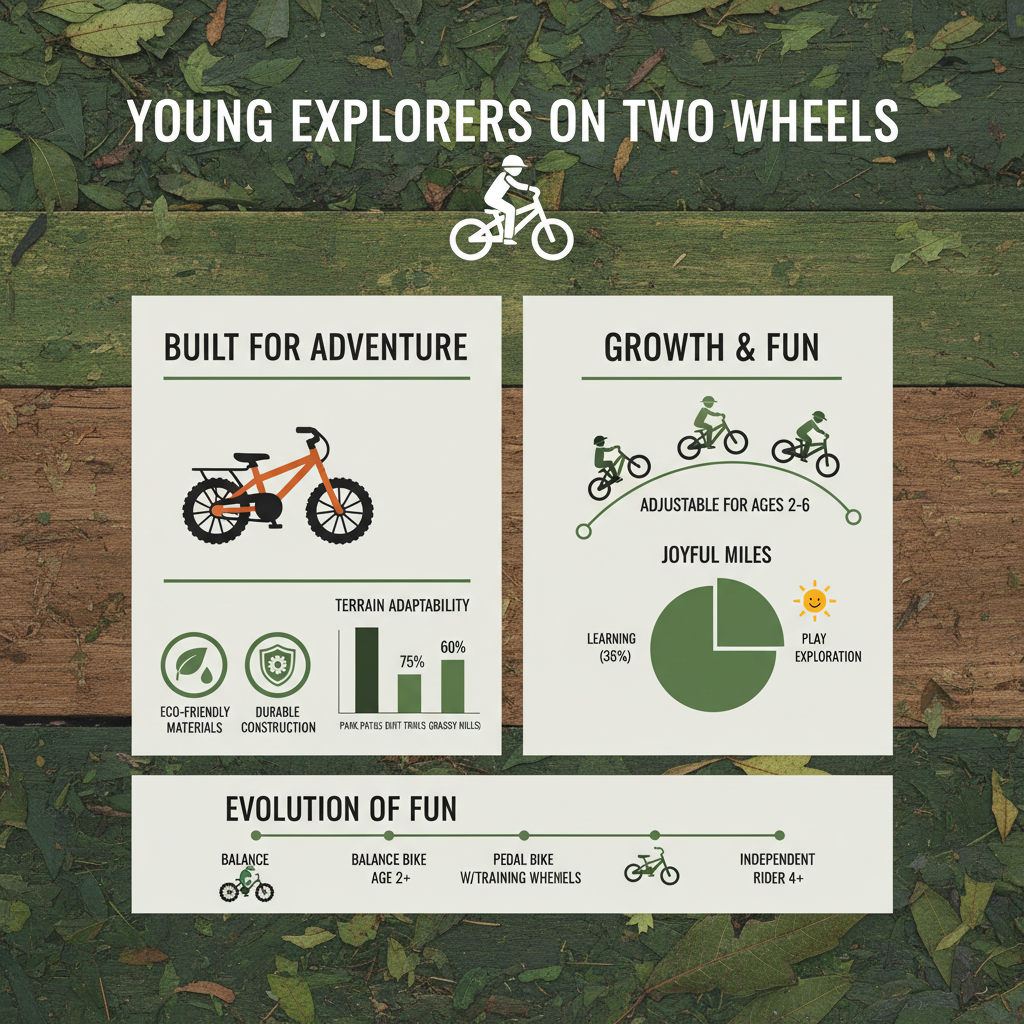
In professional manufacturing terms, a small kids bike is defined as a specialized transport vehicle engineered specifically for children typically aged 2 to 6 years. Unlike scaled-down adult bikes, these are built with a focus on a lower center of gravity and intuitive controls that match the smaller grip strength and shorter reach of a child.
Modern industry interpretations have expanded this definition to include a spectrum of "starter" vehicles. This includes balance bikes, which teach equilibrium without pedals, and tricycle hybrids that offer stability. Each iteration aims to solve the fundamental challenge of the "fear of falling," transforming a potentially scary experience into a rewarding milestone.
From a humanitarian perspective, these bikes are seen as instruments of empowerment. By simplifying the mechanics of movement, a well-designed small kids bike allows a child to master the physics of balance, which correlates with improved cognitive development and confidence in other physical tasks.
Core Engineering Components for Safety
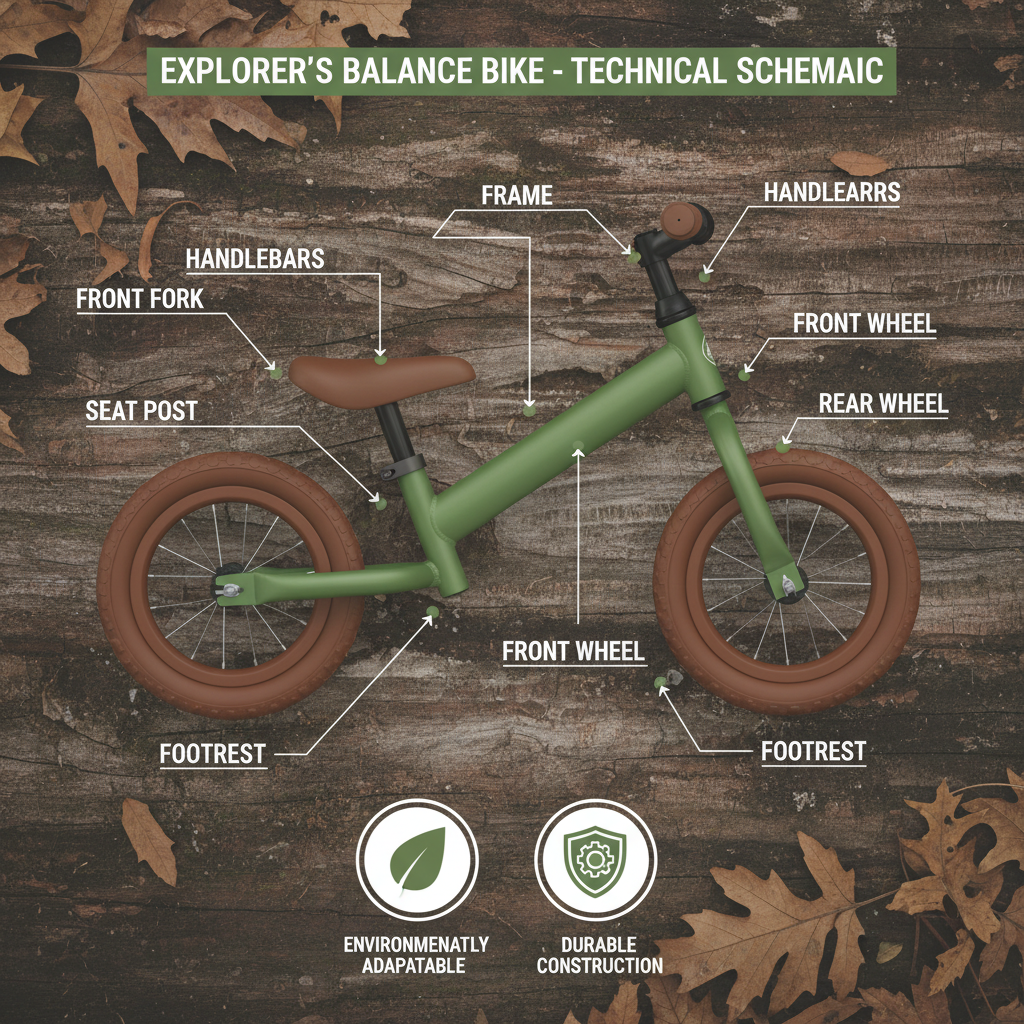
The durability of a small kids bike depends heavily on the frame material. High-grade aluminum alloys are increasingly preferred over traditional steel because they offer a superior strength-to-weight ratio, making it easier for a small child to maneuver the bike without feeling overwhelmed by its bulk.
Ergonomic scalability is another critical factor. A premium small kids bike features adjustable seat heights and handlebar positions, allowing the equipment to "grow" with the child. This design philosophy extends the product's lifecycle and ensures that the child maintains a safe posture, preventing joint strain.
Finally, the braking systems must be calibrated for small hands. Whether using a coaster brake (pedaling backward) or simplified hand brakes, the tension must be low enough for a child to operate but strong enough to provide immediate stopping power. This precision engineering is what separates a toy from a professional-grade small kids bike.
Performance Metrics Across Bike Types
When analyzing the effectiveness of different designs, we look at metrics such as stability, ease of learning, and maneuverability. A balance bike excels in teaching equilibrium, while a traditional pedal bike focuses on propulsion. For many parents, the choice depends on whether they prioritize a rapid learning curve or a traditional cycling experience.
To better understand how various small kids bike configurations perform, we evaluate them across several key performance indicators (KPIs), including weight, safety rating, and user adaptability.
Performance Comparison of Small Kids Bike Variants
Real-World Applications and Use Cases
In residential suburban areas, the small kids bike is a staple for neighborhood exploration. It allows children to navigate driveways and sidewalks, fostering a sense of independence and curiosity about their immediate environment. These settings typically favor bikes with puncture-resistant tires and bright, high-visibility colors for added safety.
In more structured environments, such as "cycling schools" or early childhood education centers, these bikes are used as pedagogical tools. Teachers use balance bikes to help children master the vestibular system, which is linked to better reading and writing skills. By implementing a structured small kids bike curriculum, schools can accelerate a child's physical coordination.
Long-Term Value and Developmental Benefits
The long-term value of a small kids bike extends far beyond the physical product. Logically, investing in a high-quality bike reduces the need for frequent replacements as the child grows, provided the bike features adjustable components. This sustainability minimizes waste and provides a more stable learning platform.
Emotionally, the mastery of a bike builds profound self-esteem. The moment a child balances for the first time without help is a psychological victory that teaches them the value of persistence and effort. This trust in their own abilities often spills over into academic and social challenges.
Furthermore, establishing a habit of cycling early on promotes a lifestyle of health and sustainability. A child who loves their small kids bike is more likely to adopt cycling as a primary mode of transport in adolescence, reducing their future carbon footprint and reliance on motorized vehicles.
Future Trends in Children's Mobility
The industry is currently seeing a shift toward "green" materials. We are seeing the introduction of recycled polymers and bio-composites in the construction of small kids bike frames. This move toward circular economy principles ensures that the toys of today do not become the landfill problems of tomorrow.
Digital integration is also emerging, though cautiously. Some manufacturers are experimenting with smart sensors that can track a child's balance and provide feedback via a parent's app. While the goal remains physical activity, these data-driven insights can help parents identify when a child is ready to move from a balance bike to a pedal bike.
Ultimately, the trend is moving toward extreme safety and inclusivity. Designs are being adapted for children with different physical needs, ensuring that every child, regardless of ability, can experience the joy of a small kids bike.
Comparison of Future Materials and Tech for Small Kids Bikes
| Material/Tech |
Weight Impact |
Sustainability Score |
Durability (1-10) |
| Recycled Aluminum |
Low |
High |
9 |
| Carbon Fiber Composite |
Ultra-Low |
Medium |
8 |
| Bio-Based Polymers |
Medium |
Very High |
7 |
| Smart Balance Sensors |
Negligible |
Low |
6 |
| Airless Rubber Tires |
Medium |
Medium |
10 |
| Modular Frame Kits |
Medium |
High |
8 |
FAQS
Generally, children as young as 18 months can start with a balance bike. The key indicator is their ability to walk steadily and their desire to mimic older children riding. If they can push themselves along with their feet and maintain a basic upright posture, they are ready for their first small kids bike.
Balance bikes are widely recommended by experts because they teach the most difficult part of cycling—balance—first. Tricycles provide stability but can create "bad habits" regarding balance. Starting with a balance bike often allows children to transition to a pedal bike much faster and without the need for training wheels.
A properly fitted helmet is non-negotiable. For toddlers, we also recommend knee and elbow pads, as falls are a natural part of the learning process. Ensure the helmet sits level on the head and the straps form a "V" shape under the ears to provide maximum cranial protection during an impact.
Avoid buying a bike that is "too big for them to grow into," as this can be dangerous and discouraging. The child should be able to touch the ground with both feet while sitting on the saddle. Check the inseam measurement and compare it with the bike's minimum seat height to ensure a confident start.
Perform a "monthly check" of the tire pressure and bolt tightness. Children are hard on their equipment, and vibrations can loosen screws over time. Ensure the chain is lubricated if it's a pedal bike, and check the brake pads for wear every few months to maintain optimal stopping power.
Yes, absolutely. A heavy bike can be intimidating and harder to control, increasing the likelihood of tips and falls. Lightweight aluminum frames allow the child to feel in control of the vehicle, which builds confidence and makes the learning process much more enjoyable and efficient.
Conclusion
Selecting a small kids bike is a pivotal decision that blends safety engineering with childhood development. From the critical importance of lightweight materials and ergonomic design to the psychological benefits of mastering balance, the right bike acts as a gateway to a healthier, more active lifestyle. By focusing on quality, scalability, and safety standards, parents can provide a foundation for a lifetime of adventure.
Looking ahead, the integration of sustainable materials and inclusive design will ensure that early mobility is accessible to all children. We encourage parents to prioritize the learning process—starting with balance and confidence—before moving to complex mechanics. To find the perfect ride for your little adventurer, visit our website: www.zhongzhoubike.com

 English
  Afrikaans
  Albanian
  Amharic
  Arabic
  Armenian
  Azerbaijani
  Basque
  Belarusian
  Bengali
  Bosnian
  Bulgarian
  Catalan
  Cebuano
  Corsican
  Croatian
  Czech
Czech  Danish
  Dutch
Dutch  Esperanto
  Estonian
  Finnish
  French
  Frisian
  Galician
  Georgian
  German
  Greek
Greek  Gujarati
  Haitian Creole
  Hausa
Hausa  Hawaiian
  Hebrew
  Hindi
Hindi  Miao
Miao  Hungarian
  Icelandic
  Igbo
Igbo  Indonesian
  Irish
Irish  Italian
  Japanese
  Javanese
  Kannada
  Kazakh
  Khmer
Khmer  Rwandese
  Korean
  Kurdish
  Kyrgyz
  Lao
Lao  Latin
Latin  Latvian
  Lithuanian
  Luxembourgish
  Macedonian
  Malgashi
  Malay
Malay  Malayalam
  Maltese
  Maori
Maori  Marathi
  Mongolian
  Myanmar
  Nepali
  Norwegian
  Norwegian
  Occitan
  Pashto
  Persian
  Polish
  Portuguese
  Punjabi
  Romanian
  Russian
  Samoan
  Scottish Gaelic
  Serbian
  Sesotho
  Shona
Shona  Sindhi
  Sinhala
  Slovak
  Slovenian
  Somali
  Spanish
  Sundanese
  Swahili
  Swedish
  Tagalog
  Tajik
Tajik  Tamil
Tamil  Tatar
Tatar  Telugu
  Thai
Thai  Turkish
  Turkmen
  Ukrainian
  Urdu
Urdu  Uighur
  Uzbek
Uzbek  Vietnamese
  Welsh
Welsh  Bantu
Bantu  Yiddish
  Yoruba
  Zulu
Zulu