The world of children’s cycling is constantly evolving, prioritizing safety, fun, and developmental benefits. Choosing the right bike for a child isn’t just about aesthetics; it’s about fostering a love of outdoor activity and building confidence. Good kids bikes are engineered to provide a comfortable and secure riding experience, supporting a child’s physical and cognitive growth. The demand for quality, well-designed children's bikes is growing globally, mirroring a broader trend toward active lifestyles.
The bicycle industry has seen significant innovation in recent years, with a focus on lightweight materials, adjustable components, and age-appropriate designs. From balance bikes that help toddlers develop coordination to geared bikes for older children, the range of options available is extensive. Understanding the factors that contribute to a truly good kids bike – like frame geometry, brake systems, and overall build quality – is crucial for parents and caregivers.
Investing in a high-quality bike can prevent injuries and enhance enjoyment, ultimately encouraging children to stay active and embrace a healthy lifestyle. The market is responding to this demand with a wider selection of good kids bikes than ever before, incorporating advanced safety features and ergonomic designs.
The Importance of Good Kids Bikes
Choosing good kids bikes is far more than simply selecting a mode of transport. It’s an investment in a child's physical and mental well-being. Cycling promotes cardiovascular health, builds strength and endurance, and enhances coordination. Beyond the physical benefits, learning to ride a bike instills a sense of freedom, independence, and accomplishment.
A well-designed bike can dramatically reduce the risk of injury, fostering confidence and encouraging children to explore their surroundings. The quality of components, from brakes to tires, directly impacts safety and performance. Prioritizing a good bike sets the stage for a lifetime of healthy habits and outdoor enjoyment.
Defining Good Kids Bikes
At its core, a good kids bike is one that is appropriately sized, safe, durable, and enjoyable for the child to ride. This means considering factors such as frame size, wheel diameter, and the reach to the handlebars. A bike that is too large or too small will be difficult to control and can lead to frustration and potential accidents.
Safety features are paramount, including reliable brakes, a well-padded seat, and reflective elements for visibility. Durability is also essential, as children’s bikes are often subjected to rough handling. A robust frame and high-quality components ensure the bike can withstand the rigors of daily use.
Ultimately, a good kids bike is one that sparks a child’s imagination and encourages them to get outside and explore. It's a tool for learning, growth, and creating lasting memories.
Key Components of Good Kids Bikes
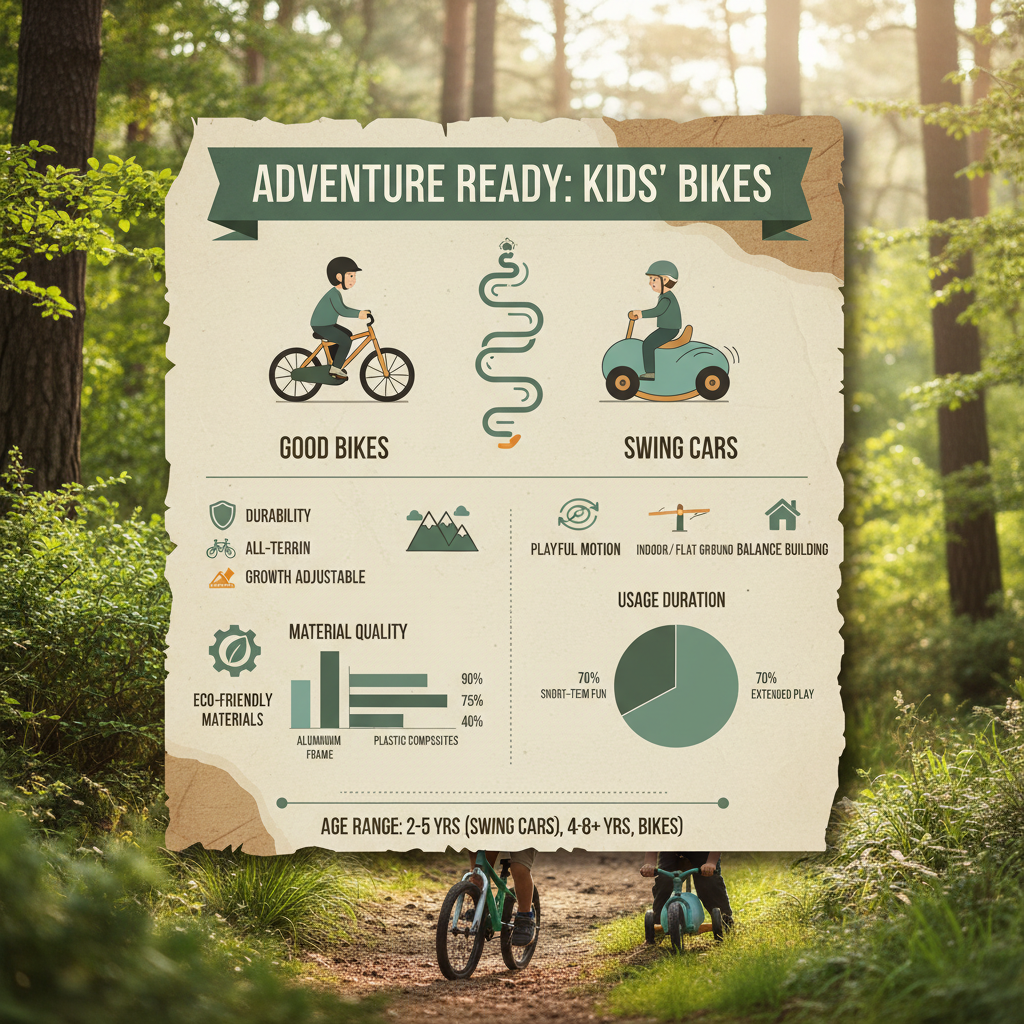
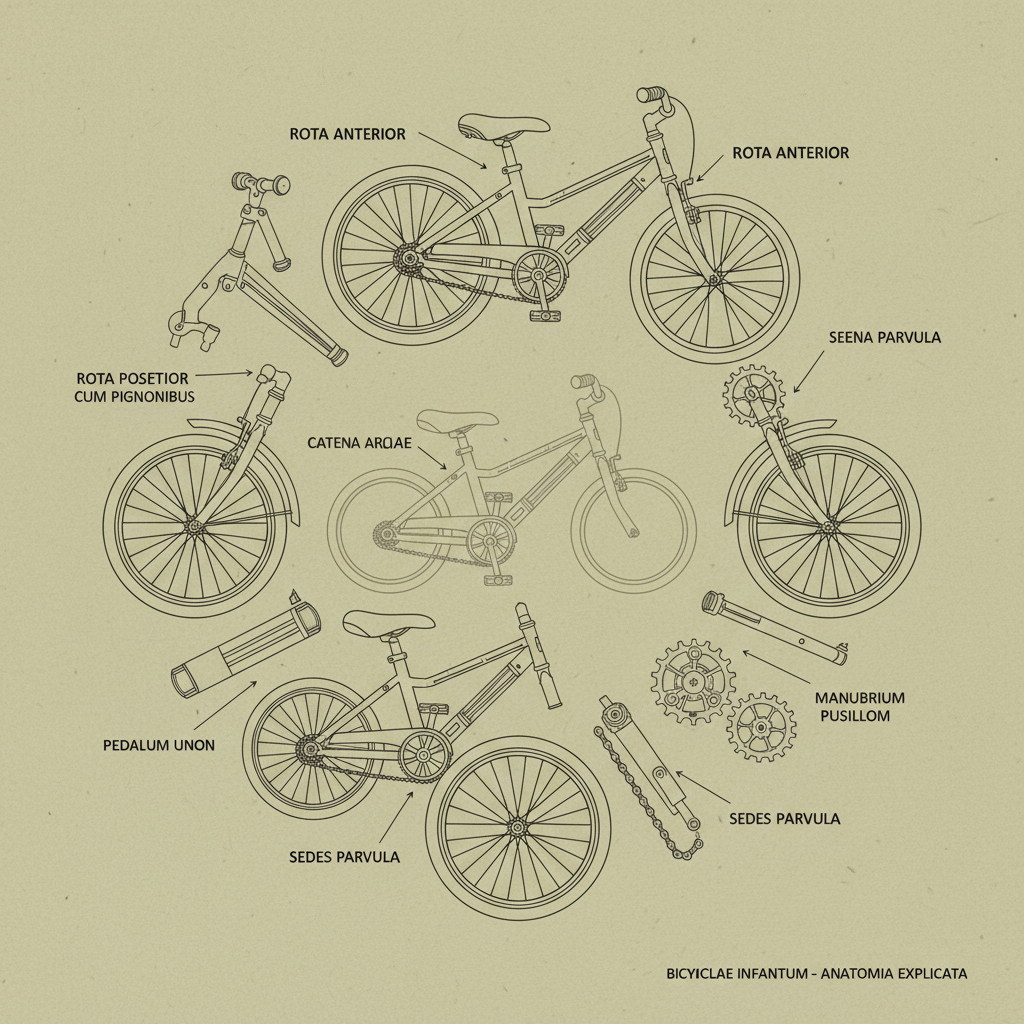
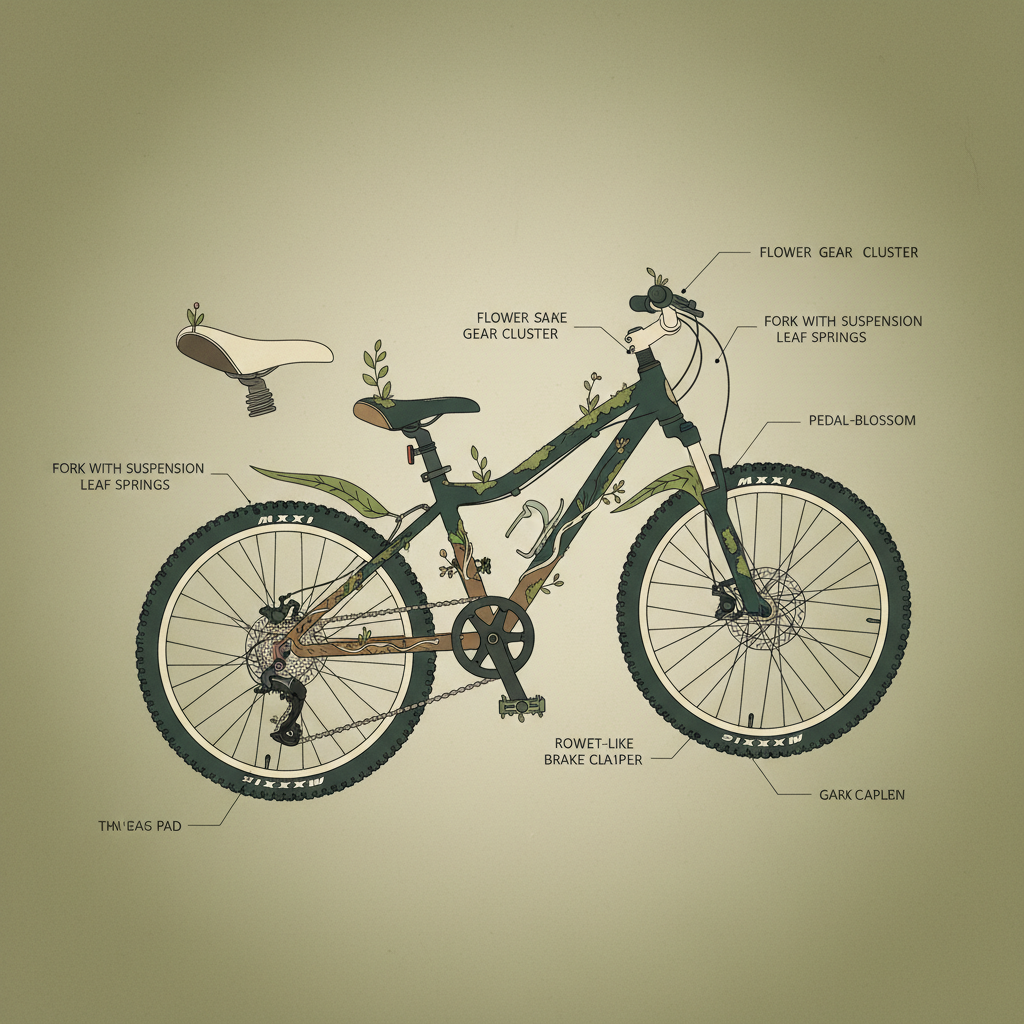
Several key components differentiate a standard bicycle from a truly good kids bike. The frame material is crucial. Lightweight aluminum alloys offer a good balance of strength and weight, making the bike easier for a child to handle. Steel frames are more durable but heavier.
Brake systems are also vital. Coaster brakes (pedal-back brakes) are simple for young children to operate, while hand brakes offer more control for older riders. The quality of the brake levers and cables significantly impacts braking performance. Properly adjusted brakes are fundamental to safety.
Tires play a role in comfort and traction. Wider tires with knobby treads provide better grip on various surfaces, while smoother tires are more efficient on paved roads. The saddle (seat) should be appropriately sized and padded for comfort.
Global Applications and Use Cases
The need for good kids bikes extends far beyond recreational use. In many developing countries, bicycles are a primary mode of transportation, and a reliable bike can enable children to access education and opportunities. Organizations often donate bicycles to students in rural areas, significantly reducing commute times and improving school attendance.
Furthermore, cycling programs are increasingly recognized as a tool for promoting physical activity and combating childhood obesity. Schools and community centers are incorporating bike riding into their curricula, providing children with the skills and confidence to cycle safely.
Even in developed nations, good kids bikes are essential for promoting healthy lifestyles and reducing reliance on cars for short trips. Bike-to-school initiatives and family cycling events are gaining popularity, fostering a culture of cycling.
Good Kids Bikes – Component Importance Rating
Advantages and Long-Term Value
Investing in good kids bikes yields numerous advantages, extending beyond immediate enjoyment. The most obvious benefit is the promotion of physical activity, contributing to a child’s overall health and well-being. Cycling is a low-impact exercise that builds strength, endurance, and coordination.
From a practical standpoint, a durable and well-maintained bike can last for several years, potentially being passed down to younger siblings. This represents significant cost savings compared to frequently replacing cheaper, lower-quality bikes.
Future Trends and Innovations
The future of good kids bikes is likely to be shaped by several emerging trends. Electric-assist bikes for children are gaining popularity, providing a boost for uphill climbs or longer distances. These bikes are designed with safety in mind, limiting the maximum speed and power output.
Another trend is the use of sustainable materials, such as recycled plastics and bamboo, in bike construction. Manufacturers are also exploring new frame designs and geometries to enhance comfort and performance.
Smart bike technologies, including GPS tracking and integrated lights, are also becoming increasingly common, adding an extra layer of safety and convenience.
Challenges and Solutions
Despite the advancements in good kids bikes, several challenges remain. Ensuring proper fit is crucial, but can be difficult with rapidly growing children. Adjustable seat posts and handlebars can help mitigate this issue, but it’s still important to regularly check the fit.
Another challenge is maintaining safety, particularly in urban environments with heavy traffic. Teaching children proper cycling etiquette and providing them with appropriate safety gear, such as helmets and reflective clothing, is essential.
Addressing these challenges requires a collaborative effort from manufacturers, parents, and educators. Investing in quality bikes, providing comprehensive safety training, and creating bike-friendly infrastructure are all crucial steps.
Summary of Key Challenges and Proposed Solutions for Good Kids Bikes
| Challenge |
Impact on Good Kids Bikes |
Proposed Solution |
Implementation Cost (1-10) |
| Rapid Child Growth |
Frequent Bike Replacements |
Adjustable Frame Components |
6 |
| Urban Traffic Safety |
Increased Accident Risk |
Cycling Education & Infrastructure |
8 |
| Component Durability |
Frequent Repairs & Replacements |
Higher Quality Materials |
7 |
| Brake System Reliability |
Potential for Accidents |
Regular Maintenance & Inspections |
4 |
| Accessibility & Affordability |
Limited Access for Lower-Income Families |
Subsidized Bike Programs |
9 |
| Lack of Proper Fit Education |
Injuries & Reduced Riding Comfort |
Retailer Training & Fit Guides |
5 |
FAQS
Balance bikes are generally suitable for children as young as 18 months old. They help develop balance and coordination without the need for pedals, preparing them for a traditional bicycle later on. The key is to ensure the child can comfortably sit on the bike with their feet flat on the ground.
Choosing the right size bike is crucial for safety and comfort. Measure your child's inseam and use a bike sizing chart to determine the appropriate frame size. They should be able to stand over the bike with a few inches of clearance and comfortably reach the handlebars without stretching.
Coaster brakes are simpler for younger children to learn, as they only require pedaling backward. However, hand brakes offer more control and are preferable for older children and those who ride more frequently. Ensure your child has the hand strength and coordination to operate hand brakes effectively.
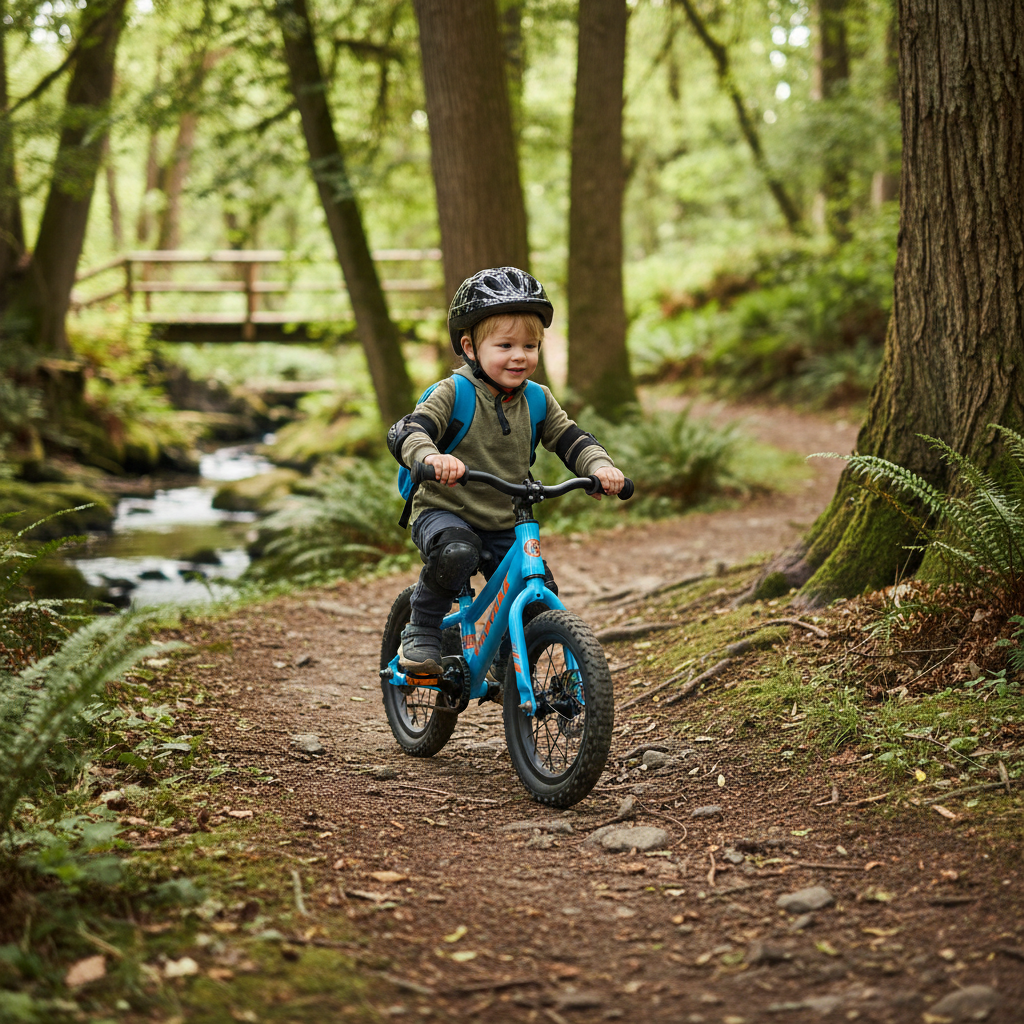
A properly fitted helmet is the most important piece of safety gear. Additionally, consider knee and elbow pads, gloves, and reflective clothing, especially when riding in low-light conditions. Teach your child the importance of following traffic rules and being aware of their surroundings.
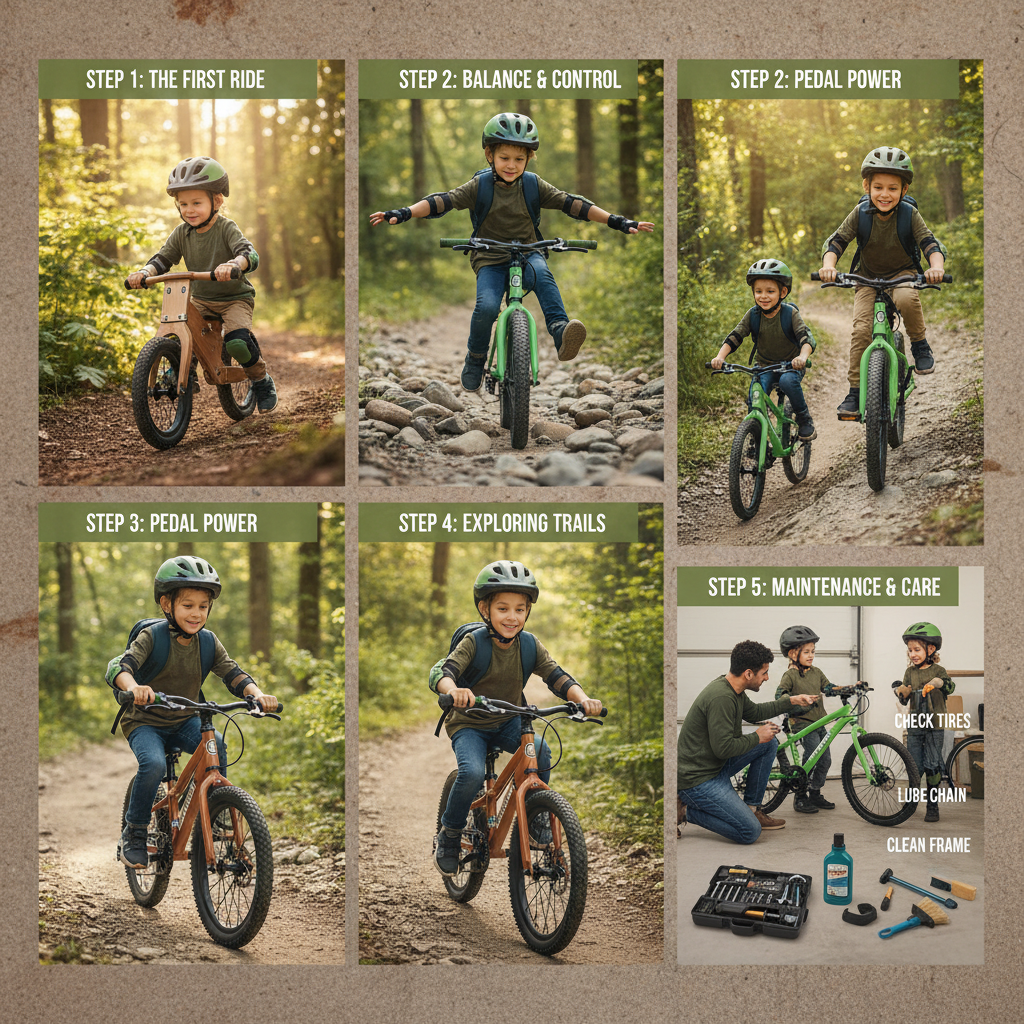
Regular maintenance is essential for safety and performance. Check the brakes, tires, and chain regularly. Lubricate the chain and gears, and ensure all bolts are tight. A professional bike tune-up once or twice a year is also recommended.
Lightweight bikes are easier for children to handle and control, especially when learning to ride or tackling hills. A lighter bike requires less effort to pedal and maneuver, promoting confidence and reducing fatigue. Aluminum frames are a good choice for achieving a lightweight design.
Conclusion
In conclusion, investing in good kids bikes is an investment in a child's health, development, and future. By prioritizing safety, durability, and proper fit, parents and caregivers can ensure that cycling remains a positive and enriching experience. Understanding the key components, addressing potential challenges, and embracing emerging trends will continue to improve the quality and accessibility of bikes for children worldwide.
As technology advances and sustainability becomes increasingly important, we can expect to see even more innovative and eco-friendly good kids bikes on the market. By fostering a love of cycling from a young age, we can empower children to lead active, healthy, and fulfilling lives. Visit our website at www.zhongzhoubike.com to explore our range of high-quality kids' bikes.

 English
  Afrikaans
  Albanian
  Amharic
  Arabic
  Armenian
  Azerbaijani
  Basque
  Belarusian
  Bengali
  Bosnian
  Bulgarian
  Catalan
  Cebuano
  Corsican
  Croatian
  Czech
Czech  Danish
  Dutch
Dutch  Esperanto
  Estonian
  Finnish
  French
  Frisian
  Galician
  Georgian
  German
  Greek
Greek  Gujarati
  Haitian Creole
  Hausa
Hausa  Hawaiian
  Hebrew
  Hindi
Hindi  Miao
Miao  Hungarian
  Icelandic
  Igbo
Igbo  Indonesian
  Irish
Irish  Italian
  Japanese
  Javanese
  Kannada
  Kazakh
  Khmer
Khmer  Rwandese
  Korean
  Kurdish
  Kyrgyz
  Lao
Lao  Latin
Latin  Latvian
  Lithuanian
  Luxembourgish
  Macedonian
  Malgashi
  Malay
Malay  Malayalam
  Maltese
  Maori
Maori  Marathi
  Mongolian
  Myanmar
  Nepali
  Norwegian
  Norwegian
  Occitan
  Pashto
  Persian
  Polish
  Portuguese
  Punjabi
  Romanian
  Russian
  Samoan
  Scottish Gaelic
  Serbian
  Sesotho
  Shona
Shona  Sindhi
  Sinhala
  Slovak
  Slovenian
  Somali
  Spanish
  Sundanese
  Swahili
  Swedish
  Tagalog
  Tajik
Tajik  Tamil
Tamil  Tatar
Tatar  Telugu
  Thai
Thai  Turkish
  Turkmen
  Ukrainian
  Urdu
Urdu  Uighur
  Uzbek
Uzbek  Vietnamese
  Welsh
Welsh  Bantu
Bantu  Yiddish
  Yoruba
  Zulu
Zulu