The global demand for kids' bicycles is consistently high, driven by factors like increasing disposable incomes, a growing emphasis on children’s health and fitness, and the convenience bikes offer for short-distance travel. A reliable wholesale kids bike supplier is crucial for retailers aiming to meet this demand efficiently and profitably. Understanding the nuances of sourcing, quality control, and logistical considerations within this industry is paramount for success.
The wholesale kids bike market is a significant component of the broader bicycle industry, which contributes billions to the global economy annually. The need for affordable, safe, and durable bikes is constant, particularly in developing nations where bicycles often serve as a primary mode of transportation. Finding a dependable wholesale kids bike supplier that prioritizes safety standards and offers competitive pricing is a key challenge for businesses in this sector.
Choosing the right wholesale kids bike supplier impacts not only a retailer's bottom line but also the brand's reputation and the safety of young riders. A supplier with a robust quality assurance process, efficient shipping options, and a commitment to customer service is essential for building a sustainable and thriving business in the kids' bicycle market.
The Importance of Wholesale Kids Bike Suppliers
A strong wholesale kids bike supplier is the foundation of any successful retail business specializing in children’s bicycles. They provide the essential inventory, allowing retailers to meet consumer demand without the significant capital investment and logistical complexities of manufacturing bikes themselves. The ability to consistently source high-quality bikes at competitive prices is a defining factor for profitability.
Beyond simply providing products, a reliable supplier acts as a strategic partner. They understand market trends, anticipate shifts in demand, and can offer valuable insights into product development and marketing strategies. This collaborative relationship fosters innovation and ensures that retailers remain competitive in a dynamic market.
Defining Wholesale Kids Bike Supply
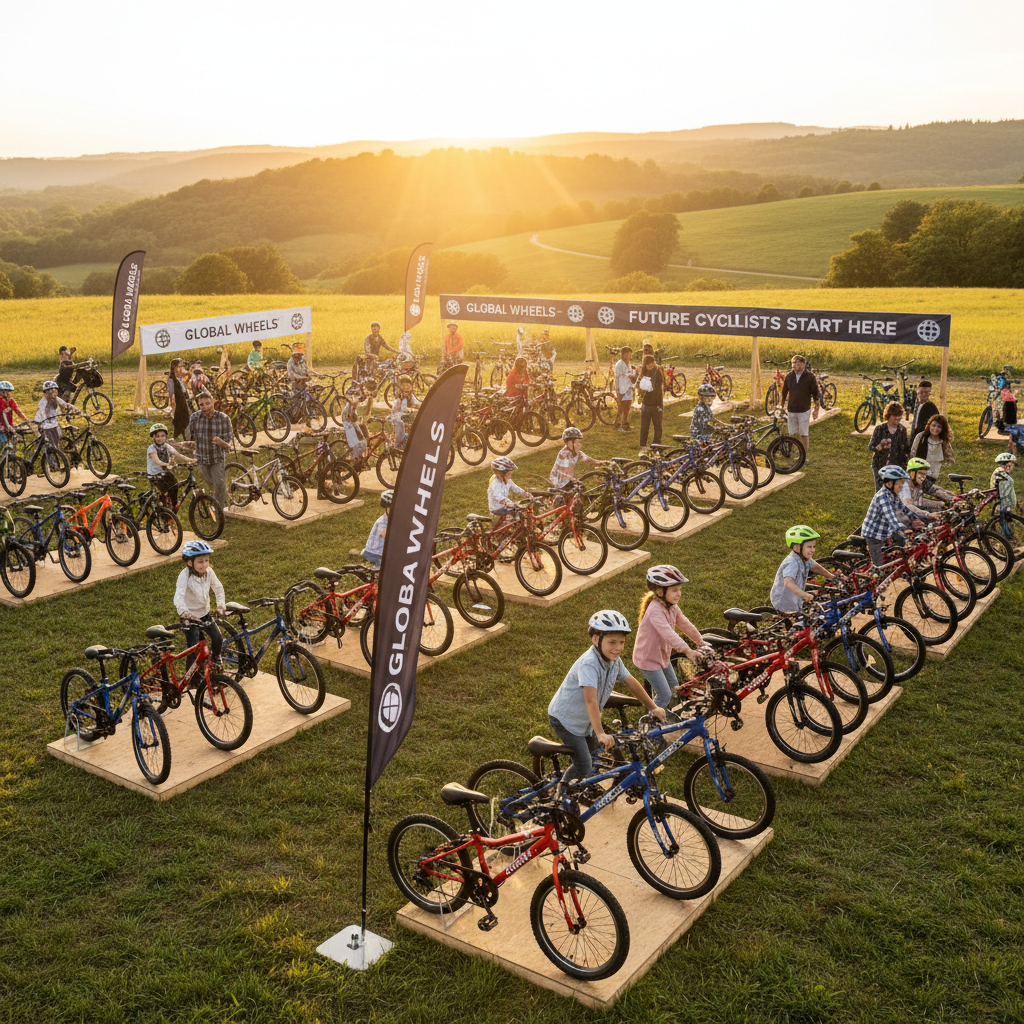
Wholesale kids bike supply refers to the process of sourcing bicycles specifically designed for children from manufacturers and distributing them in bulk to retailers, distributors, or other businesses. This differs from retail sales, which involve selling individual bikes directly to consumers. Wholesale suppliers typically handle large volumes and offer lower per-unit prices to accommodate the needs of their business clients.
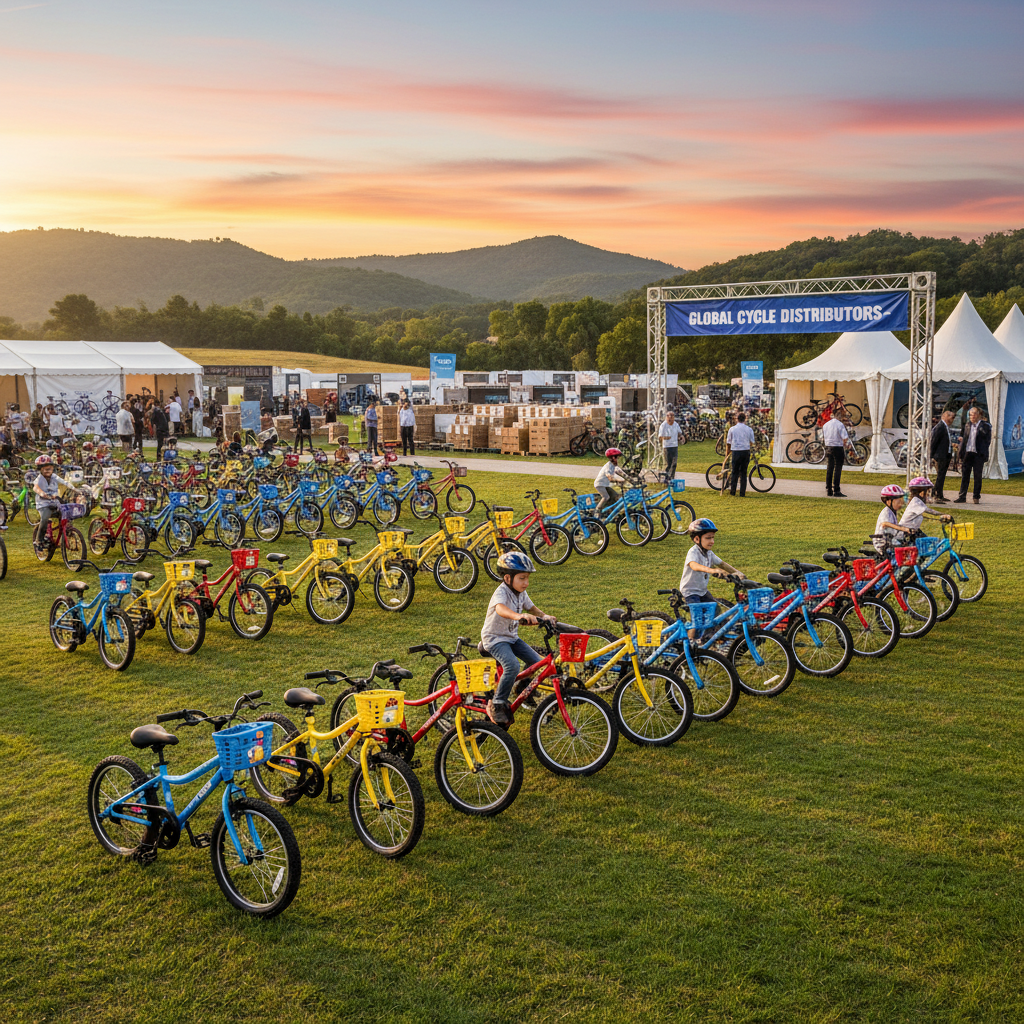
The modern wholesale kids bike supply chain is a globally interconnected network. Many manufacturers are based in Asia, particularly in countries like China and Taiwan, leveraging cost-effective production capabilities. wholesale kids bike suppliers then facilitate the import, warehousing, and distribution of these bikes to markets worldwide.
Effective wholesale supply prioritizes quality control, adhering to international safety standards (such as those set by the ISO) and ensuring that bikes meet regulatory requirements in different countries. Efficient logistics and timely delivery are also critical components of a successful wholesale operation.
Key Factors in Selecting a Supplier
When choosing a wholesale kids bike supplier, several key factors must be considered. First and foremost is product quality; bikes must be durable, safe, and compliant with relevant safety regulations. A supplier's ability to provide certifications and conduct rigorous quality control checks is essential.
Cost-effectiveness is another crucial consideration. While the lowest price isn’t always the best option, a supplier should offer competitive pricing without compromising on quality. Factors like minimum order quantities, payment terms, and shipping costs all impact overall profitability. Furthermore, the supplier’s reputation and reliability are paramount.
Finally, assess the supplier’s logistical capabilities. Efficient shipping, reliable delivery times, and effective communication are vital for ensuring a smooth and timely flow of inventory. A supplier that offers excellent customer support and readily addresses any concerns is also highly valuable.
Global Applications & Market Reach
The demand for kids' bicycles, and consequently the need for wholesale kids bike suppliers, extends across the globe. Developed nations with robust economies typically exhibit a higher demand for premium bikes with advanced features.
In emerging markets, however, affordability and durability are often the primary concerns. Bicycles serve as essential transportation for many children, and a reliable, cost-effective supply is crucial for meeting this need. Organizations involved in international development often rely on wholesale suppliers to provide bikes for educational or community outreach programs.
Furthermore, the tourism industry frequently utilizes bicycles for rentals, requiring a consistent supply of well-maintained bikes. Wholesale suppliers play a vital role in providing this inventory to resorts, tour operators, and rental shops in popular tourist destinations.
Distribution Channels for Wholesale Kids Bike Supplier
Advantages of Partnering with a Strong Supplier
Partnering with a well-established wholesale kids bike supplier offers numerous benefits. Reduced sourcing costs, due to bulk purchasing power, significantly improve profit margins. Consistent product quality minimizes returns and strengthens brand reputation.
A reliable supplier streamlines the supply chain, reducing logistical complexities and ensuring timely deliveries. This allows retailers to focus on sales and marketing, rather than managing inventory and navigating international shipping.
Future Trends in the Industry
The kids' bike industry is evolving rapidly. Growing demand for electric bikes for children is a significant trend, necessitating suppliers to offer a wider range of e-bikes alongside traditional models. Sustainable manufacturing practices and the use of eco-friendly materials are also gaining prominence.
Digitalization is playing an increasingly important role, with suppliers utilizing online platforms for order management, inventory tracking, and customer support. Personalization and customization options are also becoming more popular, allowing retailers to offer bikes tailored to individual preferences.
Expect to see continued innovation in bike design and technology, focusing on safety, comfort, and performance. Suppliers who embrace these trends and adapt their offerings accordingly will be best positioned for success.
Challenges and Mitigation Strategies
Several challenges can arise in the wholesale kids bike supply chain. Fluctuations in raw material prices and global shipping costs can impact profitability. Maintaining consistent quality control across different manufacturing facilities requires diligent oversight.
Geopolitical instability and trade barriers can disrupt supply chains and lead to delays. Mitigation strategies include diversifying sourcing options, establishing strong relationships with multiple suppliers, and investing in robust inventory management systems.
Staying informed about changing regulations and safety standards is also crucial. Collaborating with experienced logistics providers and legal counsel can help navigate these complexities.
Summary of Challenges and Mitigation Strategies for Wholesale Kids Bike Suppliers
| Challenge |
Impact Level (1-10) |
Mitigation Strategy |
Implementation Cost (1-10) |
| Raw Material Price Volatility |
8 |
Diversify sourcing, long-term contracts |
6 |
| Shipping Cost Increases |
7 |
Negotiate rates, optimize routes |
5 |
| Quality Control Issues |
9 |
Rigorous inspections, supplier audits |
7 |
| Supply Chain Disruptions |
6 |
Multiple suppliers, safety stock |
4 |
| Regulatory Compliance |
5 |
Legal counsel, certifications |
8 |
| Geopolitical Instability |
4 |
Geographic diversification |
9 |
FAQS
A reputable wholesale kids bike supplier should adhere to international safety standards like ISO 8098 (for bicycle frames and forks) and EN 14765 (for children’s bicycles). These standards specify requirements for materials, design, and testing to ensure the safety of young riders. They should be able to provide certifications verifying compliance, and bikes should undergo rigorous quality control checks to identify any potential hazards. Proper brake function, handlebar stability, and absence of sharp edges are critical areas of assessment.
MOQs vary significantly depending on the supplier and the specific bike models. Generally, they can range from 50 to 200 units per model, but some suppliers may offer lower MOQs for initial orders or for certain product lines. It’s crucial to discuss MOQs upfront and negotiate terms that align with your business needs. Consider factors like storage capacity and anticipated demand when determining appropriate order quantities.
Lead times depend on factors such as the supplier’s production capacity, shipping method, and your location. Typically, expect a lead time of 30-60 days for production, followed by 20-40 days for shipping via sea freight. Air freight is faster (5-10 days) but significantly more expensive. Always confirm estimated delivery times with the supplier and factor in potential delays due to unforeseen circumstances.
Common payment terms include a 30% deposit upfront, with the remaining 70% due before shipment or upon presentation of shipping documents. Letter of credit (LC) is another option, particularly for large orders. Some suppliers may offer net 30 or net 60 terms to established customers with a strong credit history. Always clarify the payment terms and currency before placing an order.
Warranty coverage varies among suppliers. A standard warranty typically covers manufacturing defects in frames, forks, and components for a period of one to two years. Some suppliers may offer extended warranties for an additional fee. It’s important to understand the scope of the warranty, the claims process, and the supplier’s responsiveness to warranty issues.
Requesting samples is the most effective way to assess quality. Inspect the samples thoroughly, paying attention to materials, construction, and finishing. Consider conducting third-party inspections to verify compliance with safety standards and specifications. A site visit to the supplier’s factory can also provide valuable insights into their manufacturing processes and quality control procedures.
Conclusion
In conclusion, selecting the right wholesale kids bike supplier is a critical decision that impacts every aspect of a retail business. By prioritizing quality, cost-effectiveness, reliability, and logistical efficiency, retailers can build a successful and sustainable operation. Understanding the key factors discussed – from safety standards and MOQs to lead times and warranty support – empowers informed decision-making.
Looking ahead, the kids' bike industry will continue to evolve, driven by innovation, sustainability, and digitalization. By partnering with a forward-thinking supplier and adapting to these trends, retailers can capitalize on new opportunities and maintain a competitive edge. We invite you to explore the range of high-quality kids' bikes offered by Zhongzhou Bike and experience the benefits of a trusted wholesale partnership.

 English
  Afrikaans
  Albanian
  Amharic
  Arabic
  Armenian
  Azerbaijani
  Basque
  Belarusian
  Bengali
  Bosnian
  Bulgarian
  Catalan
  Cebuano
  Corsican
  Croatian
  Czech
Czech  Danish
  Dutch
Dutch  Esperanto
  Estonian
  Finnish
  French
  Frisian
  Galician
  Georgian
  German
  Greek
Greek  Gujarati
  Haitian Creole
  Hausa
Hausa  Hawaiian
  Hebrew
  Hindi
Hindi  Miao
Miao  Hungarian
  Icelandic
  Igbo
Igbo  Indonesian
  Irish
Irish  Italian
  Japanese
  Javanese
  Kannada
  Kazakh
  Khmer
Khmer  Rwandese
  Korean
  Kurdish
  Kyrgyz
  Lao
Lao  Latin
Latin  Latvian
  Lithuanian
  Luxembourgish
  Macedonian
  Malgashi
  Malay
Malay  Malayalam
  Maltese
  Maori
Maori  Marathi
  Mongolian
  Myanmar
  Nepali
  Norwegian
  Norwegian
  Occitan
  Pashto
  Persian
  Polish
  Portuguese
  Punjabi
  Romanian
  Russian
  Samoan
  Scottish Gaelic
  Serbian
  Sesotho
  Shona
Shona  Sindhi
  Sinhala
  Slovak
  Slovenian
  Somali
  Spanish
  Sundanese
  Swahili
  Swedish
  Tagalog
  Tajik
Tajik  Tamil
Tamil  Tatar
Tatar  Telugu
  Thai
Thai  Turkish
  Turkmen
  Ukrainian
  Urdu
Urdu  Uighur
  Uzbek
Uzbek  Vietnamese
  Welsh
Welsh  Bantu
Bantu  Yiddish
  Yoruba
  Zulu
Zulu