
3 Wheel Scooter Light Up Wheels: Safety, Style & Sustainability in Urban Mobility
3 Wheel Scooter Light Up Wheels: A Bright Innovation Lighting the Way Forward
Three-wheeled scooters with light up wheels have become more than just a playful gadget for kids or a mere aesthetic upgrade in urban transport. Globally, these scooters represent a quiet innovation transforming personal mobility, especially for younger riders or those seeking safer, more visible travel options. Understanding what makes 3 wheel scooter light up wheels special helps us appreciate how design and technology blend to enhance safety, engagement, and even eco-awareness across bustling cities and suburban neighborhoods alike.
Introduction: Why 3 Wheel Scooter Light Up Wheels Matter Worldwide
At first glance, light up wheels on a 3 wheeled scooter might seem like a niche trend, but data from transportation safety studies tell a different story. According to the World Health Organization, visibility is a critical factor in preventing pedestrian and cyclist accidents globally. Scooters, especially three-wheel models often used by children, benefit hugely from increased visibility — and that's where light up wheels come in.
Oddly enough, despite scooters’ rising popularity (estimated 35 million scooter riders in the U.S. alone in 2023), injuries linked to poor visibility remain an issue. The WHO Road Traffic Injuries report underscores the need for enhanced safety gear. This technology—3 wheel scooter light up wheels—offers a practical, engaging solution.
Defining 3 Wheel Scooter Light Up Wheels
Simply put, these wheels are designed with embedded LED lights that illuminate as they spin. Installed on a three-wheeled scooter, they don’t just dazzle with color—they significantly improve rider visibility at dusk or night. The three wheels offer stability, ideal for younger riders still mastering balance. Meanwhile, the lighting mechanism often activates via kinetic energy generated by wheel rotation — no batteries required, thanks to clever engineering.
This tech bridges playful design and real-world mobility needs, marrying kid-friendly fun with the larger industry's push towards safe, sustainable, and accessible transport options. Plus, it aligns neatly with humanitarian and urban development efforts focusing on safer community spaces and active transport.
Key Factors Driving 3 Wheel Scooter Light Up Wheels
- Durability: These wheels are crafted to endure rough terrain and varied weather conditions, typically from materials like polyurethane with LED elements sealed tight against moisture.
- Safety: Enhanced visibility reduces accident risk; the constant glow makes the rider’s presence unmistakable in low light.
- Energy Efficiency: Utilizing kinetic energy means no external power source — very eco-friendly and maintenance-free.
- Design & Customization: Colors and light patterns often vary, allowing personalization that encourages kids to ride more actively.
- Affordability: Though pricier than plain wheels, incremental cost is small relative to the safety and aesthetic benefits.
These factors collectively make 3 wheel scooter light up wheels not just a cool accessory but a functional design element bringing genuine benefits for day-to-day use.
Global Applications and Real-World Use Cases
While children’s mobility in cities is an obvious application, these scooters increasingly appear in various global contexts. In European urban environments, many municipalities promote micro-mobility to reduce car usage, making safety features like illuminated wheels essential. In the U.S., light up wheels are a popular gift in suburban neighborhoods, supporting safe night play.
Interestingly, in some remote industrial zones or mining camps where short-distance transport is needed under poor lighting, adapted versions of these scooters have offered workers quick, safer commutes. In post-disaster relief operations, where traditional infrastructure is compromised, light-up mobility forms enhance child safety and basic transport reliability.
These examples hint at broader potentials beyond playgrounds—showcasing how simple tech can meet diverse and complex mobility needs worldwide.
Mini Takeaway
3 wheel scooter light up wheels serve as a clever intersection of fun and function, supporting safety, sustainability, and adaptability in a variety of settings worldwide.
Advantages and Long-Term Value of Light Up Wheels
From an economic standpoint, investing in light up wheels cuts accident-related medical and legal costs by improving rider visibility. Socially, it promotes outdoor activity for children, nurturing better health and wellbeing. Environmentally, kinetic-powered LEDs mean no battery waste or electricity use.
On an emotional level, parents feel reassured seeing their kids ride visibly on the street, while children enjoy the playful customization options—colors, flashing sequences — that foster engagement and confidence.
| Specification | Details |
|---|---|
| Wheel Size | 120mm & 150mm variants |
| Material | PU (Polyurethane) with sealed LED housing |
| Light Activation | Kinetic energy—self-powered |
| Colors Available | Multi-color RGB (various patterns) |
| Weight Capacity | Up to 100 kg (220 lbs) |
Future Trends & Innovations
Looking ahead, I expect to see advanced materials making these wheels even lighter and more robust—graphene composites, anyone? There’s buzz around integrating smart sensors that could sync lighting effects with commuter apps or safety alerts. Green energy synergy is on the horizon too; imagine solar-charged LEDs supplementing kinetic power.
Automation and IoT might allow scooters with light up wheels to communicate with smart city infrastructure—think dynamically changing colors to alert pedestrians or remote monitoring for fleet safety in rental schemes.
Challenges & Solutions
Of course, every bright light casts some shadow. Challenges mainly lie in sealing LEDs to prolong lifespan and ensuring affordability doesn't slip as tech sophistication rises.
Engineers often mention balancing durability with weight as a tricky equation — heavier wheels reduce scooter agility. Innovative coatings and modular design are the current solutions in R&D pipelines, plus growing resale markets support sustainability by extending product life cycles.
Vendor Comparison: Leading 3 Wheel Scooter Light Up Wheels Providers
| Vendor | Price Range | Light Quality | Warranty | Unique Feature |
|---|---|---|---|---|
| ZhongZhou Bike | $25–40 | Vivid RGB, multiple patterns | 1 year | Kinetic-powered, no battery |
| GlowRide Co. | $30–45 | Steady white glow | 6 months | Weather resistant coating |
| BrightWheel Ltd. | $20–35 | Basic RGB | 1 year | Simple installation kit |
FAQ: Common Questions About 3 Wheel Scooter Light Up Wheels
- How do light up wheels get powered? Do I need to charge them?
- No external charging is required because the wheels use kinetic energy generated when they spin to power the LED lights. This makes them extremely low-maintenance and eco-friendly.
- Are these wheels safe in wet or rainy conditions?
- Yes, most models feature sealed LED housings designed to resist water intrusion, allowing safe use in damp conditions without damage or electrical failure.
- Can I replace just the light up wheels on my existing 3 wheel scooter?
- Generally, yes. Many aftermarket light up wheels are designed to fit standard axles, but it’s crucial to check compatibility with your scooter’s wheel size and axle type.
- Do light up wheels drain additional battery if my scooter is electric?
- No. Because the wheels have their own power source via kinetic activation, they do not affect your scooter’s primary battery life.
- Are the light colors customizable?
- Many products allow you to choose between multiple colors or flashing patterns, either manually or via app control depending on the model.
Conclusion and Call to Action
In real terms, 3 wheel scooter light up wheels bring together safety, sustainability, and style in a way that's accessible to a broad audience. Whether it’s a child scooting at dusk or an urban commuter making a statement, these wheels add visibility and vitality to daily journeys. If you want to explore a range of quality options, I recommend visiting 3 wheel scooter light up wheels — they offer a reliable, eco-conscious selection suited to various needs and budgets.
After all, a small glow can spark big confidence—and a safer, brighter ride.
— Written by an industry observer who’s spent countless hours riding, testing, and researching micro-mobility innovations worldwide.
References
-
Electric Scooter Age 3 Safe Introduction to Early Mobility GuideNewsApr.16,2026
-
Is an Electric Scooter Age 4 Safe Complete Parents GuideNewsApr.09,2026
-
Choosing the Best Electric Scooter for a 9 Year Old Rider's SafetyNewsApr.07,2026
-
Comprehensive Guide to Choosing the Best Electric Scooter Ages 6 UpNewsApr.04,2026
-
Choosing the Best Electric Scooter for 6yr Old Riders A Comprehensive GuideNewsMar.31,2026
-
The Ultimate Guide to Choosing an Electric Scooter for Age 10 RidersNewsMar.28,2026
-
Choosing the Ideal Electric Scooter for Age 12 A Comprehensive Buyers GuideNewsMar.26,2026
Related Products
-
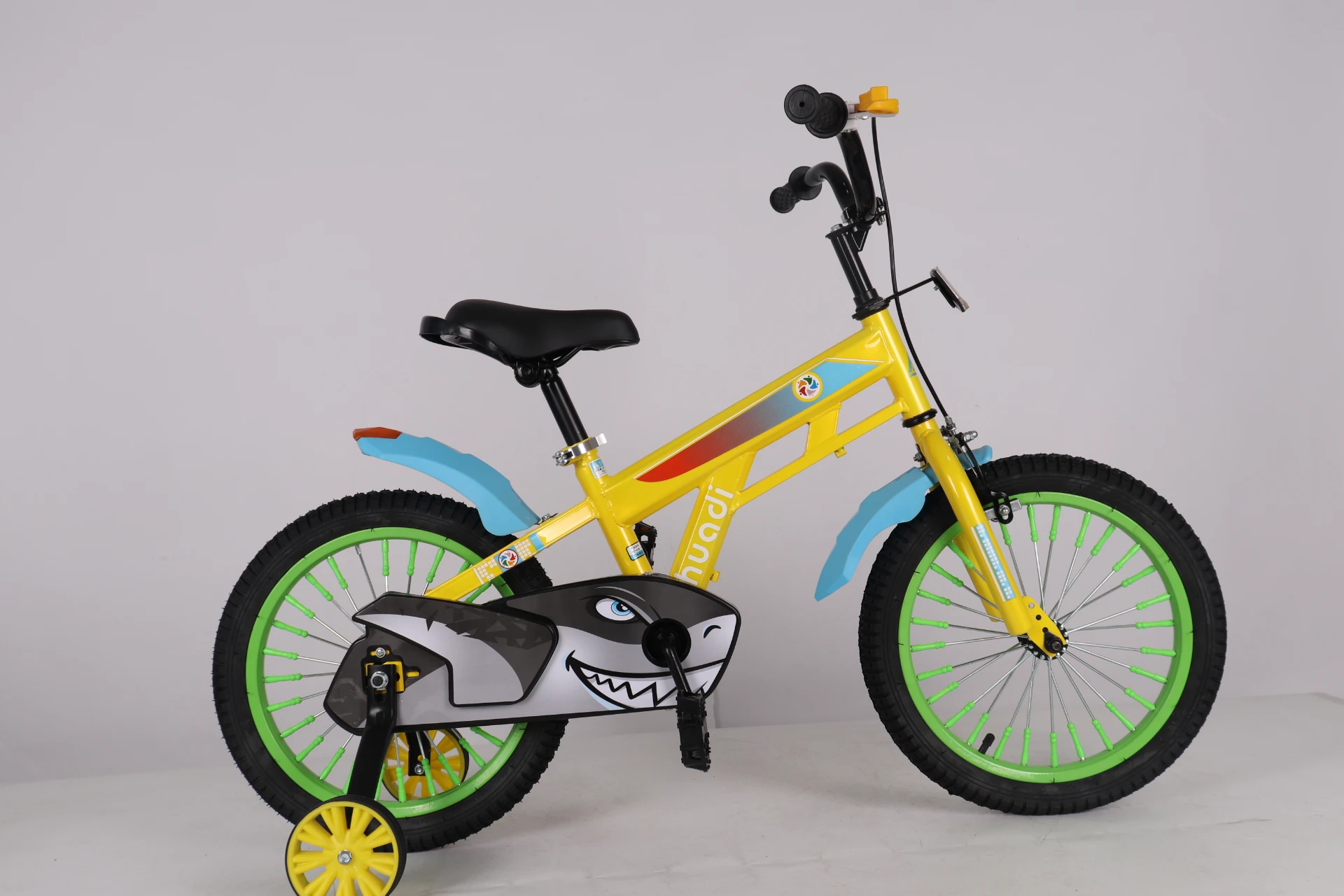
High quality kids bike children bicycle cycle cheap children bicycle with training wheel for sale
-
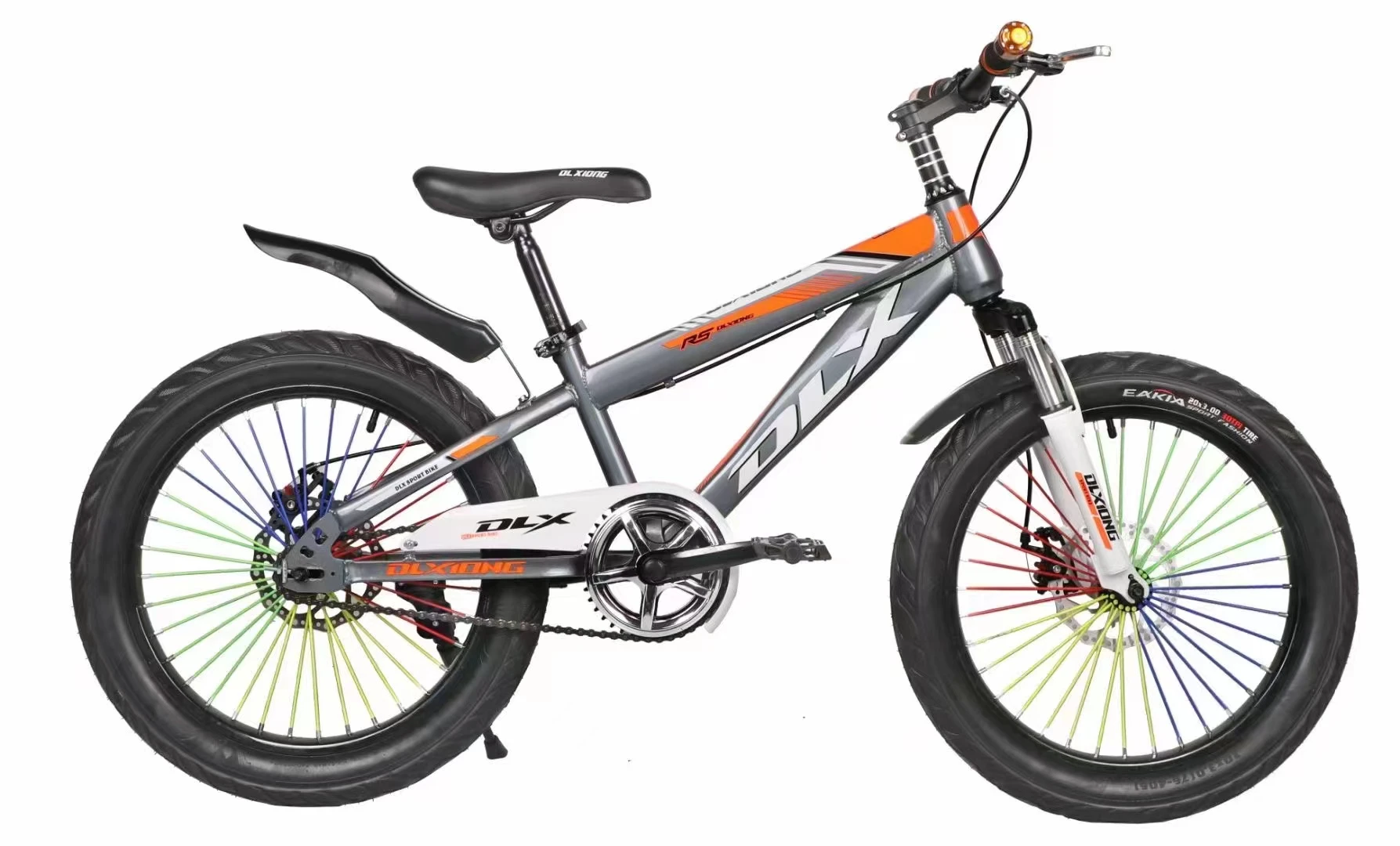
OEM 20 inch mountain bike children bikeVariable speed mountain bike suitable for student sports
-
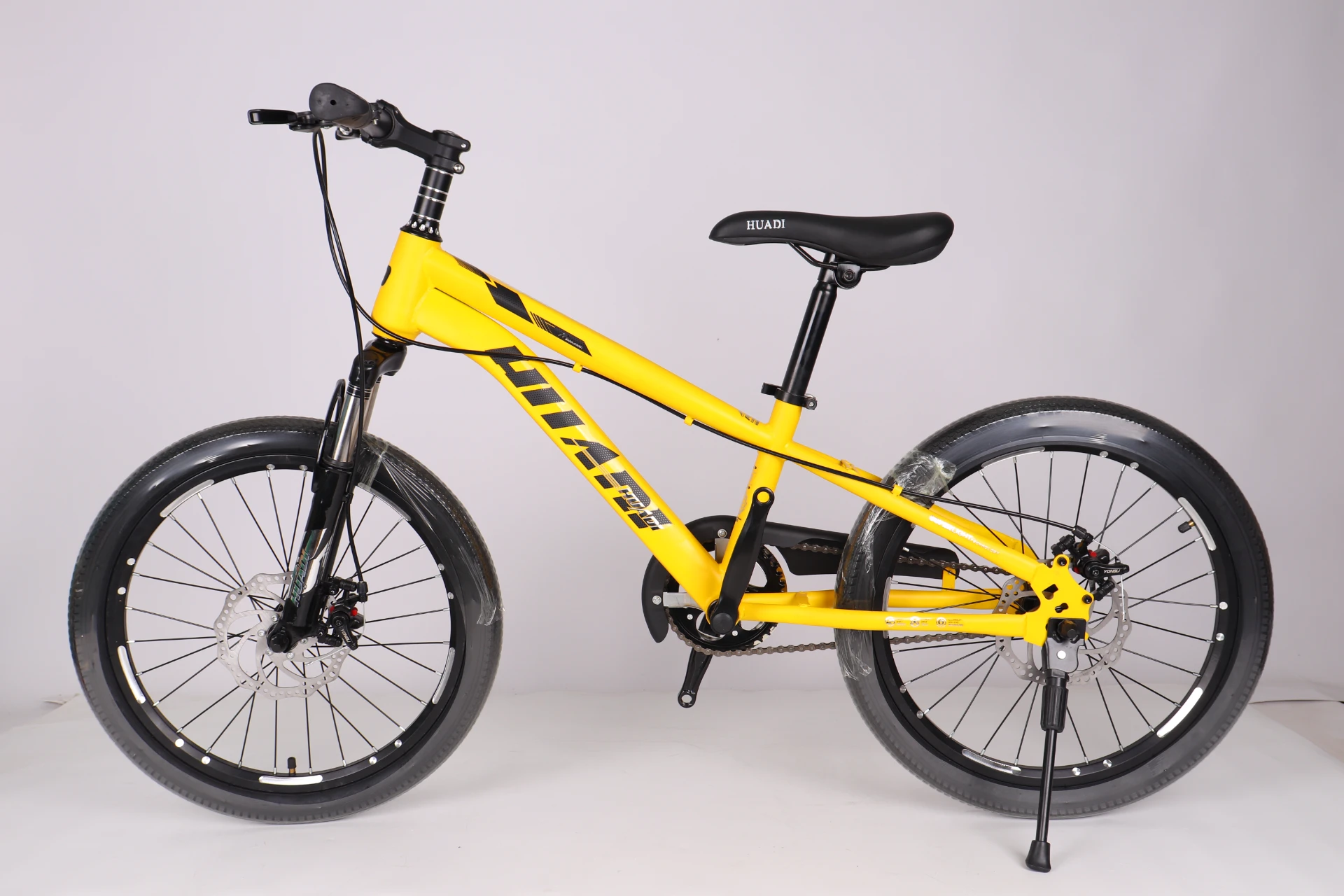
18 20 22 inch Children bike mountain bikes for 13 year old boy cycle for class 5 bicycle for 10year old boy kids
-
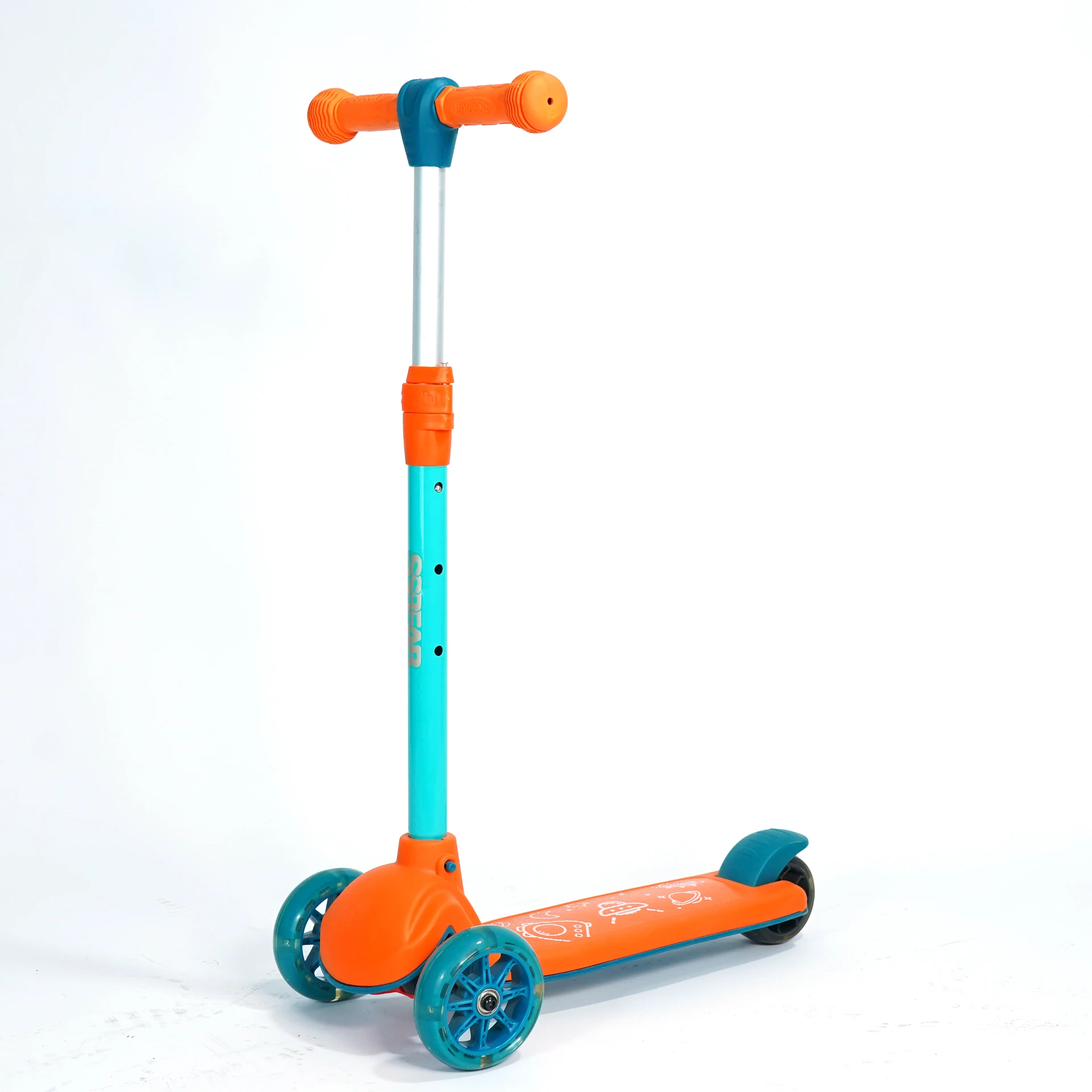
Hot Sale Kids Scooter 3 Pu Light-Up Wheel Kick Scooter For 3-6 Year Olds
-
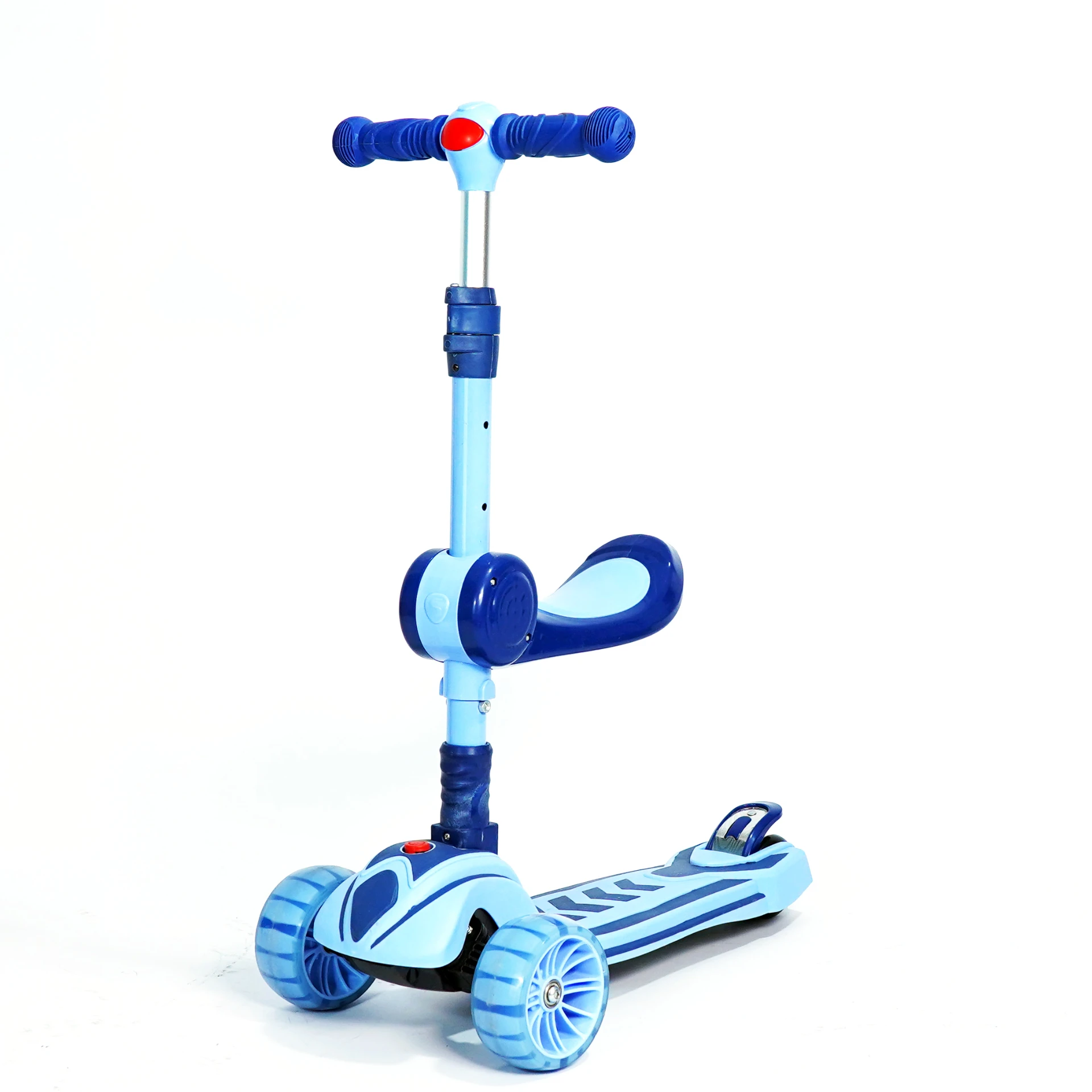
EU Child 3 To 10 Years Baby Soccer Kick Scooters & Foot Scooters For Kids Boys
-
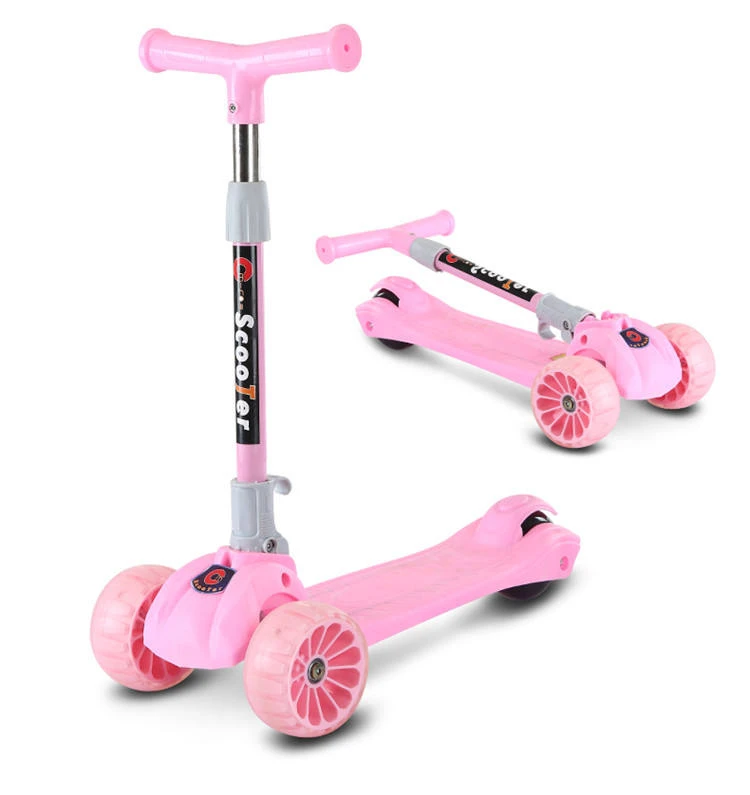
Factory Sale Kid Scooter Foot scooter Kids Kick scooter For Toddler.
-
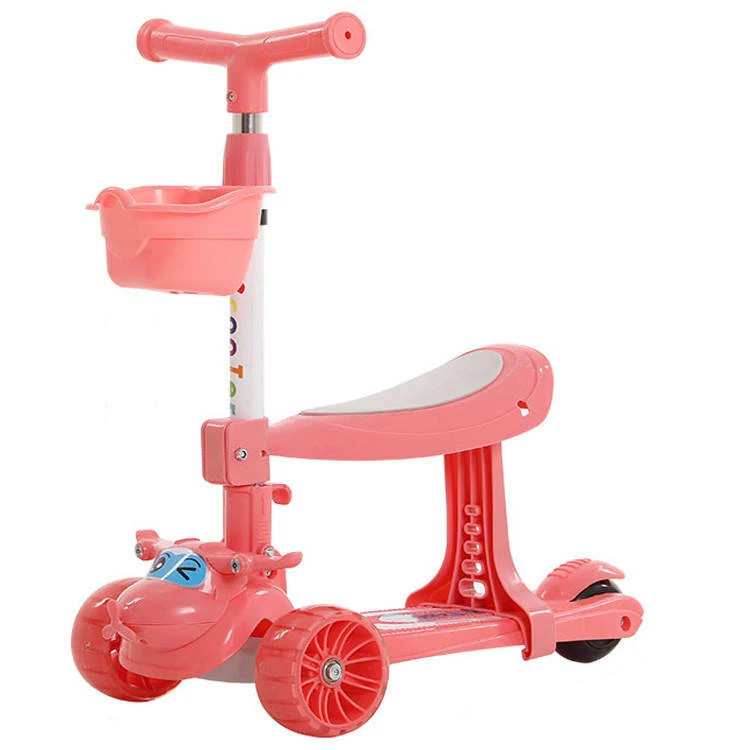
Best Seller Multifunctional Folding Kid Kick 3 Wheels Children Foot Scooter Foldable Baby Kid Scooters
-
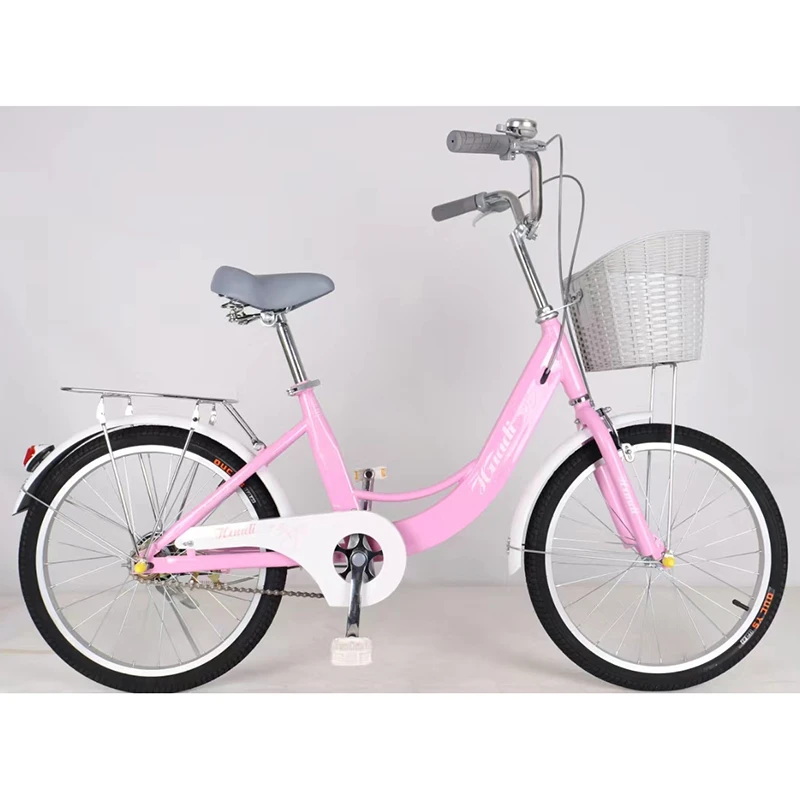
Hot sale kids bikes OEM custom cheap baby children bicycle bike beautiful cycle for girls kids
 Afrikaans
 Albanian
 Amharic
 Arabic
 Armenian
 Azerbaijani
 Basque
 Belarusian
 Bengali
 Bosnian
 Bulgarian
 Catalan
 Cebuano
 Corsican
 Croatian
 Czech
Czech
 Danish
 Dutch
Dutch
 Esperanto
 Estonian
 Finnish
 French
 Frisian
 Galician
 Georgian
 German
 Greek
Greek
 Gujarati
 Haitian Creole
 Hausa
Hausa
 Hawaiian
 Hebrew
 Hindi
Hindi
 Miao
Miao
 Hungarian
 Icelandic
 Igbo
Igbo
 Indonesian
 Irish
Irish
 Italian
 Japanese
 Javanese
 Kannada
 Kazakh
 Khmer
Khmer
 Rwandese
 Korean
 Kurdish
 Kyrgyz
 Lao
Lao
 Latin
Latin
 Latvian
 Lithuanian
 Luxembourgish
 Macedonian
 Malgashi
 Malay
Malay
 Malayalam
 Maltese
 Maori
Maori
 Marathi
 Mongolian
 Myanmar
 Nepali
 Norwegian
 Norwegian
 Occitan
 Pashto
 Persian
 Polish
 Portuguese
 Punjabi
 Romanian
 Russian
 Samoan
 Scottish Gaelic
 Serbian
 Sesotho
 Shona
Shona
 Sindhi
 Sinhala
 Slovak
 Slovenian
 Somali
 Spanish
 Sundanese
 Swahili
 Swedish
 Tagalog
 Tajik
Tajik
 Tamil
Tamil
 Tatar
Tatar
 Telugu
 Thai
Thai
 Turkish
 Turkmen
 Ukrainian
 Urdu
Urdu
 Uighur
 Uzbek
Uzbek
 Vietnamese
 Welsh
Welsh
 Bantu
Bantu
 Yiddish
 Yoruba
 Zulu
Zulu
 English