
Understanding Swing the Car: Innovations, Applications, and Global Impact
Understanding Swing the Car: A Global Perspective
“Swing the car” might sound like something from a playground or a dance move — but it’s actually a technical concept gaining traction worldwide, especially in industries relying on vehicle mobility and safety. At its core, swing the car relates to the controlled swinging or pivoting motion of vehicles, often applied in logistics, emergency response, and transportation tech. It’s more than just a maneuver; it embodies efficiency, safety, and adaptability on a global scale. Why does this matter? Because as industries evolve, especially under the pressures of climate change, urban growth, and humanitarian crises, understanding how vehicles move—and how to optimize that movement—can improve outcomes dramatically.
Mini takeaway: Swing the car isn’t just jargon; it’s a key to modern mobility and safety that echoes through industries worldwide.
Global Context: Why Swing the Car Matters
According to the United Nations Department of Economic and Social Affairs, urban populations are expected to swell to 68% by 2050, putting enormous pressure on transportation systems. Add to that the World Bank’s data showing how global logistics account for roughly 13% of GDP on average — and you start to see why optimizing vehicle motion through concepts like swing the car is critical. From congested city streets to rough terrains in remote regions, maneuverability impacts everything. Challenges include reducing accident risks, improving delivery speed, and enabling vehicles to operate in confined or hazardous spaces.
Industries, governments, and humanitarian organizations are exploring better ways to swing the car effectively, which will enhance urban mobility and emergency responsiveness alike.
Mini takeaway: Globally, urban growth and logistics demands make refined vehicle motion techniques essential for safety and efficiency.
What Does Swing the Car Actually Mean?
Simply put, swing the car refers to the controlled lateral pivot or arc-like movement a vehicle makes, often while entering or exiting tight spaces, or when maneuvering around obstacles. Picture a delivery truck swinging into a narrow alley without hitting walls or a rescue vehicle quickly pivoting to deploy equipment. This capability isn’t just mechanical; it involves the mechanics of steering, suspension, braking, and often advanced control systems.
This term links closely to modern robotics, autonomous driving tech, and specialized vehicle designs tailored to complex environments such as disaster zones or construction sites.
Mini takeaway: Swing the car is about mastering vehicle motion in tricky scenarios and is knitting together mechanics, robotics, and design.
Core Components Influencing Swing the Car
1. Steering System Engineering
The precision of swinging depends heavily on how advanced and responsive the steering system is. Four-wheel steering and dynamic steering assist are examples that improve how sharply a vehicle can pivot.
2. Suspension & Traction Control
To swing safely, suspension must absorb terrain shocks without losing grip. Traction control systems adjust power delivery ensuring wheels don’t spin excessively during sweeping motions.
3. Vehicle Size & Weight Distribution
Bigger vehicles, especially trucks or electric buses, require tailored design to optimize pivot radius. Weight distribution affects stability mid-swing, so load balancing or active weight shifting can help.
4. Automated Control & Sensors
Many modern vehicles utilize sensors, cameras, and AI to calculate optimal swing trajectories, reducing human error. These controls often interconnect with navigation and safety features.
5. Driver Skill & Training
Oddly enough, even the most advanced tech can be limited by operator proficiency. Proper training enhances safe and efficient swinging, especially under pressure.
Mini takeaway: Steering design, suspension, size, automation, and human skill each play a crucial role in successful vehicle swinging.
Real-World Applications of Swing the Car
Industries across continents rely on swinging vehicles for practical gains:
- Disaster Relief: Emergency vehicles in earthquake-hit zones use sharp swings to navigate debris-cluttered streets, ensuring aid delivery.
- Warehouse Logistics: Forklifts and automated guided vehicles (AGVs) swing precisely to maximize space in compact storage facilities.
- Urban Public Transit: Electric buses with enhanced swing capability reduce road footprint and improve route flexibility.
- Remote Industrial Sites: Mining trucks swing through rugged terrain, maintaining safety and efficiency on uneven grounds.
Mini takeaway: From emergency streets to automated warehouses, swinging vehicles improve functionality everywhere.
Advantages & Long-Term Value of Swing the Car
On the surface, the gains seem technical—improved safety margins, tighter maneuvering, faster response times. But there’s more:
- Cost Efficiency: Reduced damage to vehicles and infrastructure saves money.
- Enhanced Safety: Less risk of collisions means higher trust—both for vehicle operators and the communities they serve.
- Environmental Impact: Optimized movements cut fuel consumption and emissions.
- Operational Reliability: Vehicles maintain productivity even in tricky conditions.
- Human Factors: Less stressful driving and safer ergonomics contribute to well-being.
So it’s about sustainability, human dignity, and long-term trust—all wrapped up in how vehicles swing.
Product Spec Table: Swing the Car Technologies
| Feature | Description | Benefit |
|---|---|---|
| Four-Wheel Steering | Allows rear wheels to pivot along with front wheels | Reduces turning radius drastically |
| Dynamic Traction Control | Adjusts wheel power to maintain grip during swings | Prevents slip and loss of control |
| AI Trajectory Optimization | Calculates best path and speed for swinging maneuvers | Minimizes error and improves safety |
| Operator Interface Feedback | Visual/audible signals assist drivers during complex swings | Enhances driver confidence and precision |
Vendor Comparison: Leading Swing the Car Solutions
| Vendor | Technology Type | Key Strength | Suitable Industry |
|---|---|---|---|
| SwingTech Solutions | AI Trajectory Control | Real-time path optimization | Logistics & Delivery |
| PivotMotion Inc. | Four-Wheel Steering Systems | Compact urban vehicle focus | Public Transit & Urban Mobility |
| TerraSwing Corp. | Robust Suspension & Traction | Heavy machinery in rough terrain | Mining & Construction |
Future Trends & Innovations in Vehicle Swing
The future of swinging vehicles seems electric, autonomous, and green. Industry insiders suggest:
- Electric Powertrains will enable more precise torque control, improving swing finesse.
- Advanced AI and Machine Learning will enable vehicles to learn from each swing, optimizing over time.
- Lightweight Materials, like carbon fiber composites, will enhance vehicle agility during maneuvers.
- Integration with Smart Infrastructure will allow vehicles to sync with traffic systems to swing seamlessly in complex urban spaces.
Mini takeaway: Tomorrow’s swinging vehicles will be smarter, cleaner, and more connected than ever before.
Challenges & Solutions in Swing the Car Applications
No technology is without its quirks. Implementing effective swinging has hurdles such as high development costs, complex integration with existing vehicles, and uneven driver skill levels. Another is dealing with unpredictable terrain in disaster zones, which can mess up expected swing paths.
Innovative responses include modular tech that can retrofit conventional vehicles, AI-powered driver-assist features that compensate for human error, and extensive simulation training for operators. Organizations also emphasize real-time data feedback to dynamically adjust the swinging strategy.
FAQ: Frequently Asked Questions About Swing the Car
- What vehicles benefit most from swing the car technologies?
- Mostly large vehicles operating in confined or challenging environments, such as delivery trucks, emergency responders, mining trucks, and urban buses. However, smaller vehicles employing four-wheel steering also see notable benefits.
- Is swinging the car safe for inexperienced drivers?
- While technology aids precision, operator training is crucial. Many systems include driver assistance features that reduce risk, but hands-on skill development is recommended.
- How does swinging improve fuel efficiency?
- Optimized swinging reduces unnecessary acceleration, braking, and maneuver corrections, which leads to lower fuel consumption and emissions.
- Can swing the car tech be retrofitted to older vehicles?
- In many cases, yes. Some companies offer modular upgrades like electronic steering assists and sensor packages designed for retrofit applications.
- Where can I learn more about swinging vehicle technologies?
- Industry conferences, manufacturer websites, and technical journals provide detailed insights. For a starting point, visit swing the car information portals.
Conclusion: Why You Should Care About Swing the Car
Swing the car may not be a phrase you hear every day, but its impact touches many facets of modern life—transportation, urban planning, disaster response, and industrial productivity. The combination of engineering prowess and smart technology involved makes it a focal point for safer, more sustainable mobility. You might even say it’s a subtle revolution happening quietly whenever a vehicle pivots seamlessly into place.
Curious to learn more or explore these innovations firsthand? Don’t hesitate to visit our website. The future of vehicle movement is literally swinging into place.
Sometimes, mastering the little turns makes all the difference.
-
Electric Scooter Age 3 Safe Introduction to Early Mobility GuideNewsApr.16,2026
-
Is an Electric Scooter Age 4 Safe Complete Parents GuideNewsApr.09,2026
-
Choosing the Best Electric Scooter for a 9 Year Old Rider's SafetyNewsApr.07,2026
-
Comprehensive Guide to Choosing the Best Electric Scooter Ages 6 UpNewsApr.04,2026
-
Choosing the Best Electric Scooter for 6yr Old Riders A Comprehensive GuideNewsMar.31,2026
-
The Ultimate Guide to Choosing an Electric Scooter for Age 10 RidersNewsMar.28,2026
-
Choosing the Ideal Electric Scooter for Age 12 A Comprehensive Buyers GuideNewsMar.26,2026
Related Products
-
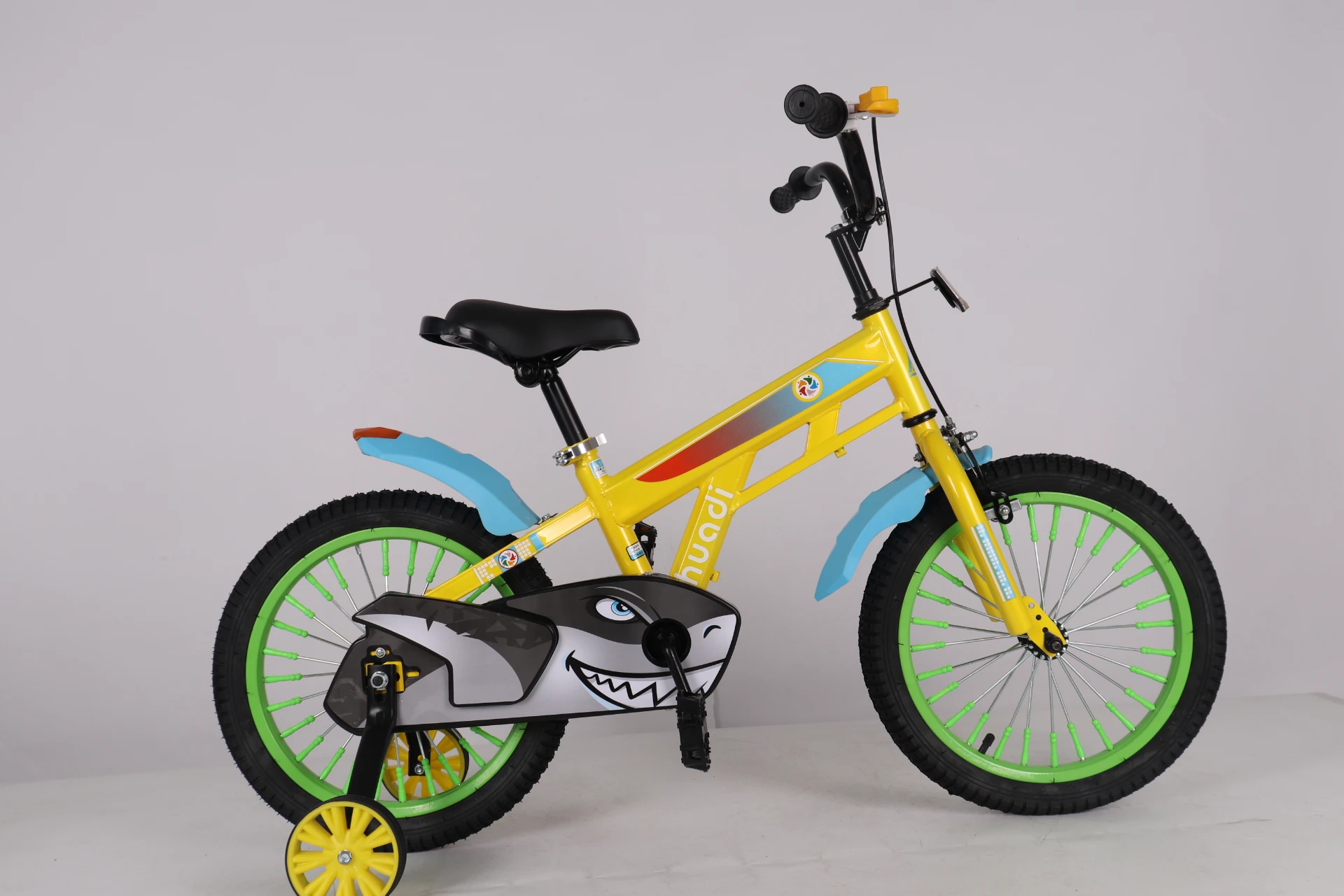
High quality kids bike children bicycle cycle cheap children bicycle with training wheel for sale
-
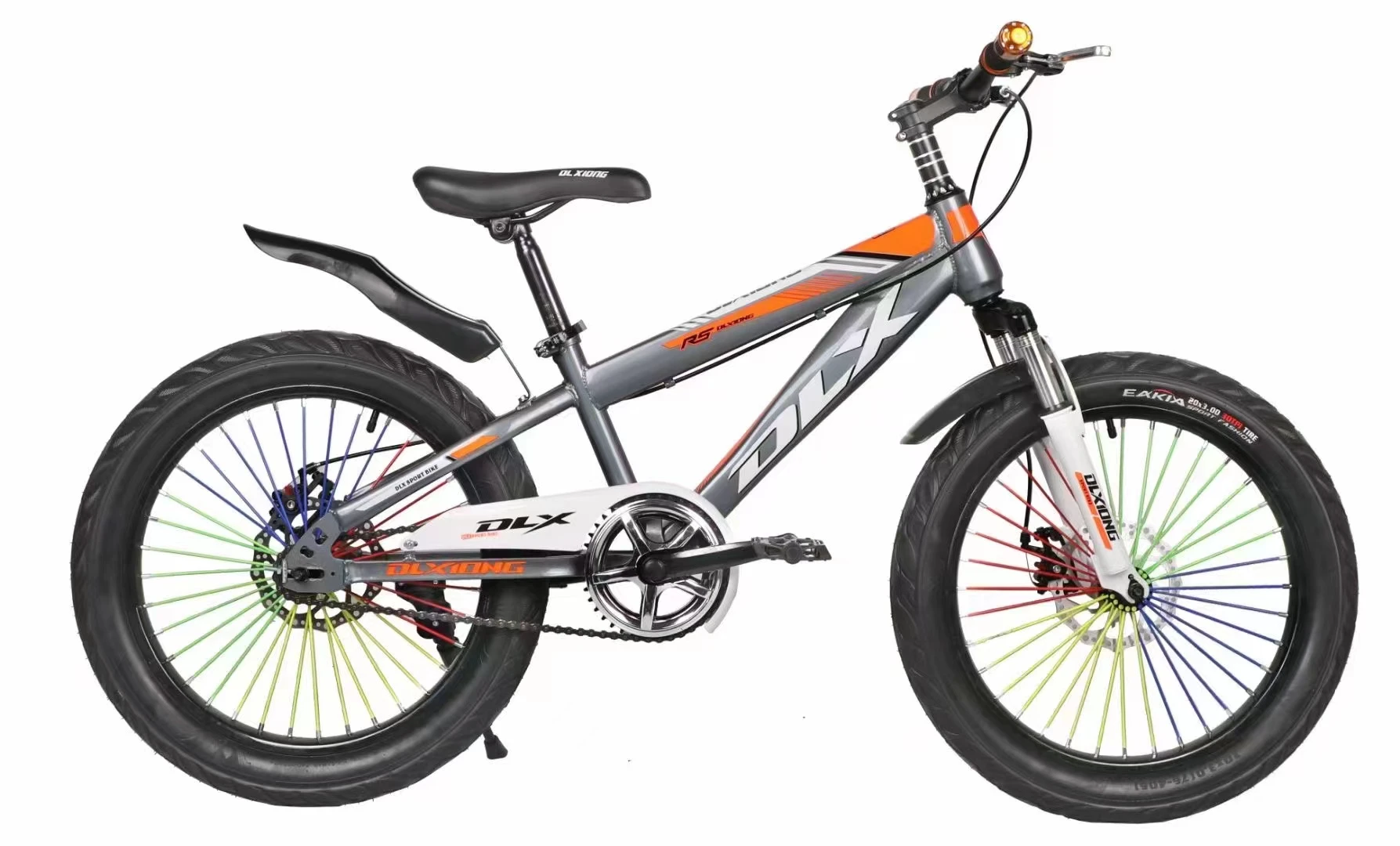
OEM 20 inch mountain bike children bikeVariable speed mountain bike suitable for student sports
-
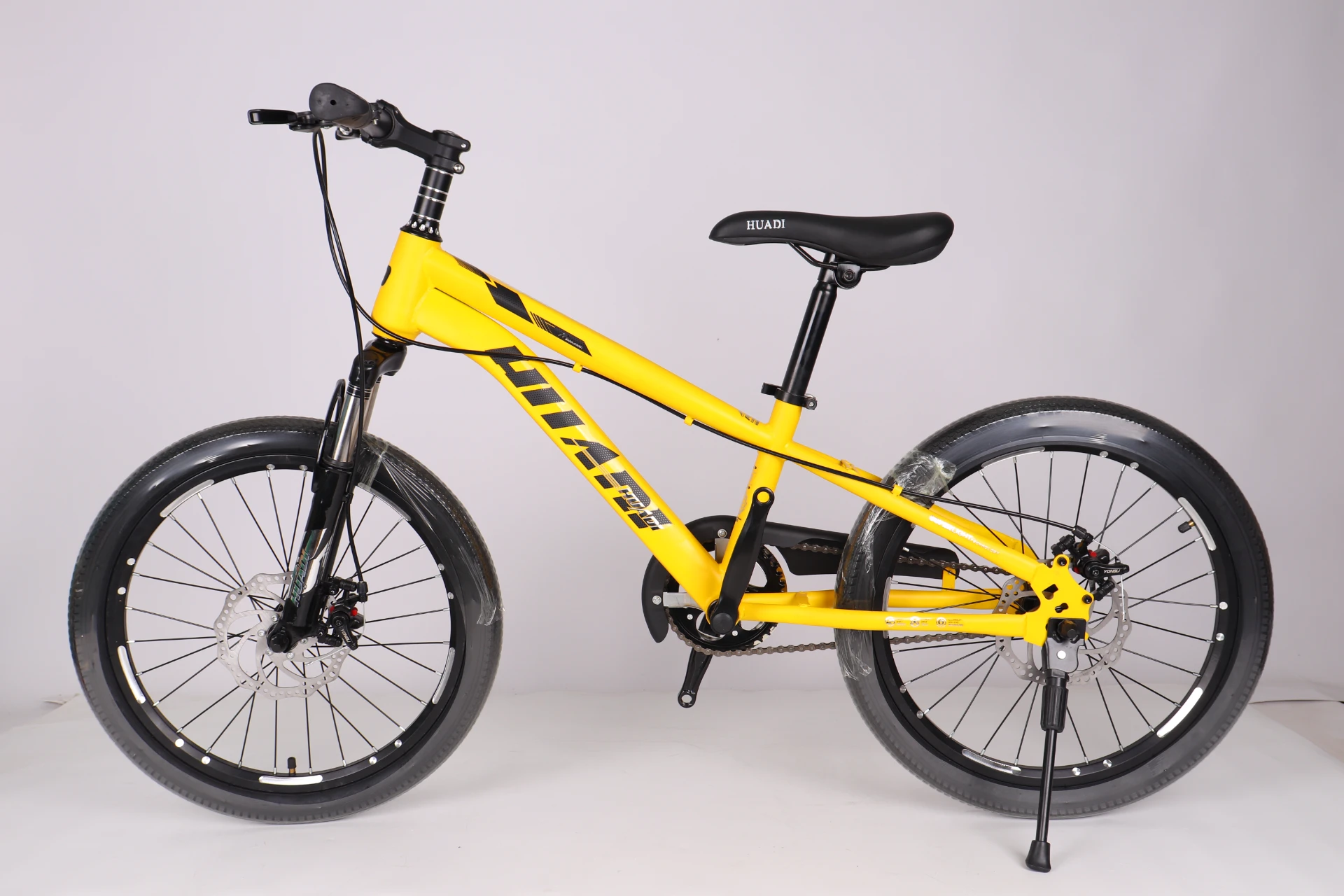
18 20 22 inch Children bike mountain bikes for 13 year old boy cycle for class 5 bicycle for 10year old boy kids
-
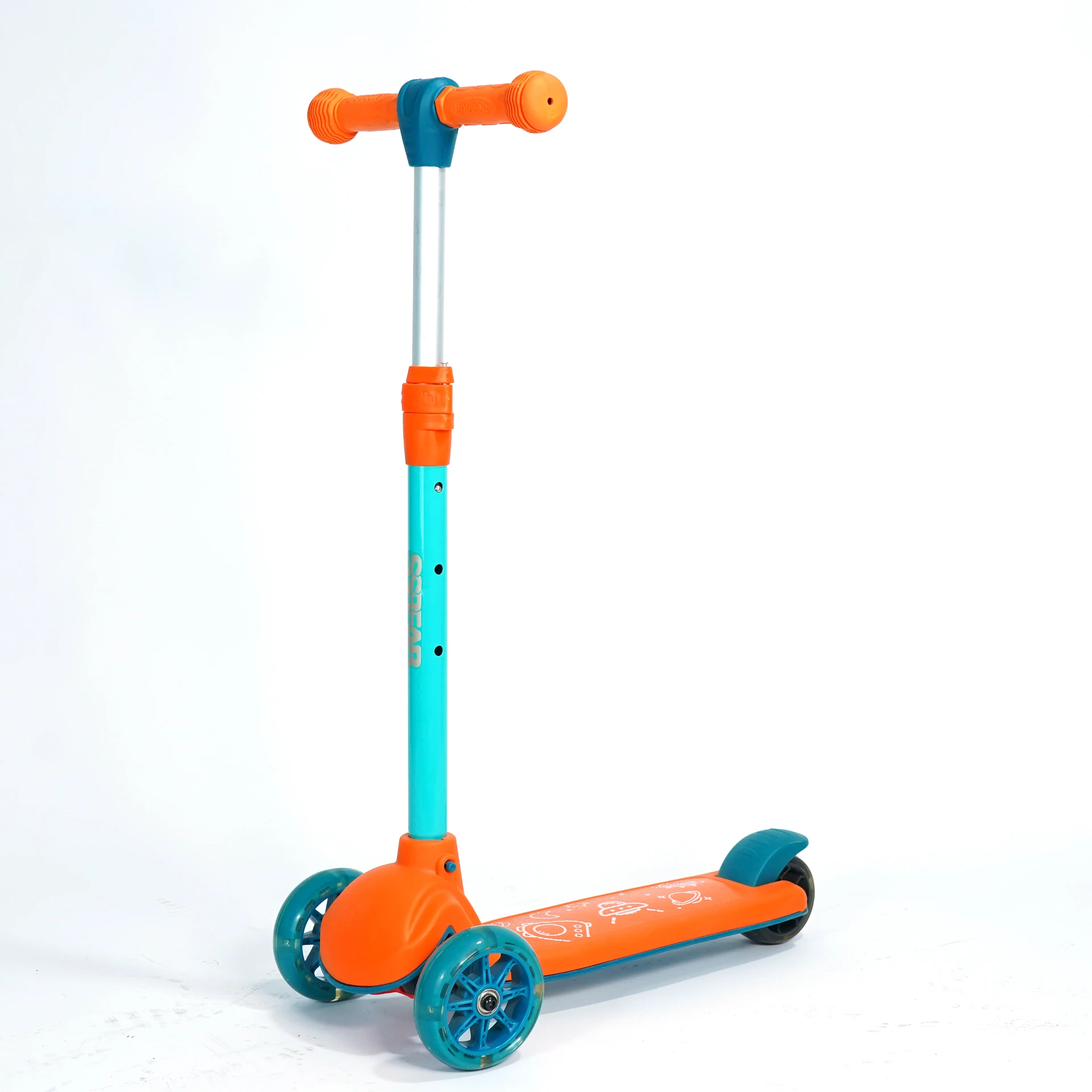
Hot Sale Kids Scooter 3 Pu Light-Up Wheel Kick Scooter For 3-6 Year Olds
-
EU Child 3 To 10 Years Baby Soccer Kick Scooters & Foot Scooters For Kids Boys
-

Factory Sale Kid Scooter Foot scooter Kids Kick scooter For Toddler.
-
Best Seller Multifunctional Folding Kid Kick 3 Wheels Children Foot Scooter Foldable Baby Kid Scooters
-
Hot sale kids bikes OEM custom cheap baby children bicycle bike beautiful cycle for girls kids
 Afrikaans
 Albanian
 Amharic
 Arabic
 Armenian
 Azerbaijani
 Basque
 Belarusian
 Bengali
 Bosnian
 Bulgarian
 Catalan
 Cebuano
 Corsican
 Croatian
 Czech
Czech
 Danish
 Dutch
Dutch
 Esperanto
 Estonian
 Finnish
 French
 Frisian
 Galician
 Georgian
 German
 Greek
Greek
 Gujarati
 Haitian Creole
 Hausa
Hausa
 Hawaiian
 Hebrew
 Hindi
Hindi
 Miao
Miao
 Hungarian
 Icelandic
 Igbo
Igbo
 Indonesian
 Irish
Irish
 Italian
 Japanese
 Javanese
 Kannada
 Kazakh
 Khmer
Khmer
 Rwandese
 Korean
 Kurdish
 Kyrgyz
 Lao
Lao
 Latin
Latin
 Latvian
 Lithuanian
 Luxembourgish
 Macedonian
 Malgashi
 Malay
Malay
 Malayalam
 Maltese
 Maori
Maori
 Marathi
 Mongolian
 Myanmar
 Nepali
 Norwegian
 Norwegian
 Occitan
 Pashto
 Persian
 Polish
 Portuguese
 Punjabi
 Romanian
 Russian
 Samoan
 Scottish Gaelic
 Serbian
 Sesotho
 Shona
Shona
 Sindhi
 Sinhala
 Slovak
 Slovenian
 Somali
 Spanish
 Sundanese
 Swahili
 Swedish
 Tagalog
 Tajik
Tajik
 Tamil
Tamil
 Tatar
Tatar
 Telugu
 Thai
Thai
 Turkish
 Turkmen
 Ukrainian
 Urdu
Urdu
 Uighur
 Uzbek
Uzbek
 Vietnamese
 Welsh
Welsh
 Bantu
Bantu
 Yiddish
 Yoruba
 Zulu
Zulu
 English