
What is a Wheel Swing Car? Benefits, Applications & Future Trends
Understanding the Wheel Swing Car: A Modern Mobility Solution
When you hear wheel swing car, you might picture a niche kind of vehicle or a playground toy, but frankly, it's a fascinating concept bridging industrial design and practical transport technology worldwide. This idea matters because it addresses a recurring challenge in both logistics and off-road navigation: the need for reliable, maneuverable, and versatile transportation in diverse environments. Whether it's hauling goods in remote regions or enabling quick moves in tight urban settings, mastering wheel swing car technology offers a mix of benefits — from cost efficiency to greater accessibility.
Global Context: Why the Wheel Swing Car Matters Now More Than Ever
In a globally connected but environmentally and geographically complex world, traditional vehicles often struggle to adapt, especially when terrains aren’t paved smoothly or infrastructure is unreliable. According to the World Bank, approximately 1 billion people live in remote or rural areas where transport challenges limit economic development and access to services. Here, innovations like the wheel swing car can make a tangible difference.
Plus, industries ranging from construction to humanitarian relief increasingly rely on adaptable vehicles for their operations. The ISO emphasizes vehicle modularity and safety standards, while NGOs highlight the need for all-terrain mobility during disasters. The wheel swing car concept helps address these critical challenges.
Defining the Wheel Swing Car
So, what exactly is a wheel swing car? Simply put, it’s a vehicle design characterized by wheels that can pivot or "swing" outward or inward to change the vehicle’s footprint dynamically. This design improves maneuverability in confined or rough spaces. It’s not just a gimmick; it’s a practical engineering solution that enhances steering capabilities beyond conventional fixed-wheel systems. Often, these vehicles feature articulated frames combined with wheel swing mechanisms, creating flexible mobility options.
In modern industries — especially construction, mining, and emergency response — this adaptability means better access, faster deployment, and safer transit. It’s also increasingly relevant in humanitarian logistics where terrain irregularities pose unique difficulties.
Core Components and Key Factors of Wheel Swing Cars
1. Durability
Wheel swing cars must withstand constant wheel articulation stresses without mechanical failure. High-strength steel frames and reinforced pivot joints ensure operational longevity. Durability directly influences maintenance cycles and overall cost.
2. Maneuverability
The defining feature: the wheels’ ability to swing expands turning radius effectively, enabling navigation through narrow or uneven paths where traditional vehicles falter.
3. Load Capacity
Despite their flexibility, these vehicles often carry substantial cargo — from construction materials to humanitarian supplies. Balance between mobility and weight-bearing is crucial.
4. Cost Efficiency
Fewer operational delays plus reduced terrain damage translate into financial savings. Plus, the wheel swing mechanism, while technically sophisticated, can be cost-effective due to modular design.
5. Safety Features
Enhanced steering reduces accident risks in tricky environments. Many manufacturers integrate automatic stabilization systems to prevent rollovers during aggressive wheel swings.
| Specification | Value |
|---|---|
| Wheel Swing Angle | Up to 45° |
| Maximum Load Capacity | 3,000 kg |
| Turning Radius | 3.5 meters |
| Engine Power | 80-120 HP |
| Vehicle Weight | 1,800 kg |
Global Applications and Use Cases
- Disaster Relief: In post-disaster zones, typical vehicles struggle with rubble or damaged roads. Wheel swing cars can weave through debris, delivering critical supplies quickly.
- Industrial Zones: Remote construction or mining sites use these cars to transport equipment efficiently over uneven terrain.
- Agricultural Areas: Developing regions use adaptable vehicles to reach fields inaccessible by standard trucks, supporting local economies.
- Urban Logistics: Oddly enough, these cars also find use in dense cities where space is tight and sharp turning capability speeds up deliveries.
For instance, humanitarian agencies in Southeast Asia have incorporated wheel swing cars to distribute aid after floods, reporting notable boosts in speed and reach compared to conventional trucks.
Takeaway: The wheel swing car is a versatile, tailored solution combating a variety of global mobility challenges.
Advantages and Long-Term Value
On a practical level, the wheel swing car offers several advantages:
- Cost-Effective Operation: Reduced wear on roads and smoother navigation cut fuel and repair costs.
- Sustainability: Less infrastructure damage means better environmental outcomes, especially in sensitive areas.
- Social Impact: Enhanced access supports healthcare, education, and economic activities in isolated communities.
- Reliability: Robust design reduces breakdown risks — critical when help is far away.
Beyond numbers, it also instills trust in operators and recipients alike. Drivers feel safer, aid recipients feel dignified — which matters more than we easily quantify.
Future Trends and Innovations
Looking ahead, the wheel swing car arena sees some exciting developments:
- Green Energy Integration: Hybrid and electric powertrains are becoming standard, pairing agility with sustainability.
- Smart Controls: Digital assistance for wheel articulation, such as automated wheel swing calibration, improves precision.
- Lightweight Materials: Carbon composites and alloys reduce vehicle weight without sacrificing strength.
- Customization: Modular parts allow quicker repairs and adaptations for specific mission needs.
Challenges & Solutions
Of course, no technology is perfect. Challenges include:
- Complex Maintenance: Wheel swing mechanisms require specialized upkeep, which can be limiting in rural areas.
- Higher Initial Costs: Compared to basic trucks, these can be pricier upfront.
- Training Needs: Operators need familiarization with unique controls.
Experts suggest investing in remote diagnostics and training programs, alongside modular components, to lower these barriers. Partnerships between manufacturers and local organizations have also proven effective in spreading expertise.
| Feature | Vendor A | Vendor B | Vendor C |
|---|---|---|---|
| Price Range | $20k - $25k | $18k - $22k | $23k - $28k |
| Warranty | 2 years | 1.5 years | 3 years |
| Service Network | Global | Regional | Global |
| Customization Options | High | Medium | Low |
FAQ: Frequently Asked Questions About Wheel Swing Car
- Q: How does a wheel swing car improve maneuverability compared to traditional vehicles?
- A: By allowing the wheels to pivot outward or inward, wheel swing cars reduce their turning radius and enable tight navigation in confined spaces, which is especially useful in urban or off-road scenarios.
- Q: Are wheel swing cars suitable for heavy load transportation?
- A: Yes. Many models can carry loads up to several thousand kilograms without compromising agility, making them practical for construction and relief supply tasks.
- Q: What maintenance challenges should operators expect?
- A: The articulation joints require regular inspection and lubrication. Operators should plan for specialized maintenance, but modular parts can simplify repairs.
- Q: Can these vehicles be powered by electric engines?
- A: Increasingly so. Some manufacturers are integrating hybrid and electric powertrains, improving sustainability without sacrificing performance.
- Q: Where can I learn more or purchase a wheel swing car?
- A: Visit trusted manufacturers and suppliers such as wheel swing car vendors online, who provide detailed specs and customization services.
Conclusion & Call to Action
To sum up, wheel swing cars are more than just an engineering novelty — they’ve evolved into practical, adaptable transport solutions that answer real-world mobility challenges. Whether it’s navigating remote terrain, contributing to sustainable development, or accelerating humanitarian missions, these vehicles pack a compelling long-term value.
If you’re curious to see how wheel swing cars can fit your operational needs, or just want to dive deeper, why not visit our website? You’ll find expert insights, product details, and a team ready to assist.
Thanks for sticking with me — I hope the journey through this topic was as enlightening for you as it was for me.
References
-
Electric Scooter Age 3 Safe Introduction to Early Mobility GuideNewsApr.16,2026
-
Is an Electric Scooter Age 4 Safe Complete Parents GuideNewsApr.09,2026
-
Choosing the Best Electric Scooter for a 9 Year Old Rider's SafetyNewsApr.07,2026
-
Comprehensive Guide to Choosing the Best Electric Scooter Ages 6 UpNewsApr.04,2026
-
Choosing the Best Electric Scooter for 6yr Old Riders A Comprehensive GuideNewsMar.31,2026
-
The Ultimate Guide to Choosing an Electric Scooter for Age 10 RidersNewsMar.28,2026
-
Choosing the Ideal Electric Scooter for Age 12 A Comprehensive Buyers GuideNewsMar.26,2026
Related Products
-
High quality kids bike children bicycle cycle cheap children bicycle with training wheel for sale
-
OEM 20 inch mountain bike children bikeVariable speed mountain bike suitable for student sports
-
18 20 22 inch Children bike mountain bikes for 13 year old boy cycle for class 5 bicycle for 10year old boy kids
-
Hot Sale Kids Scooter 3 Pu Light-Up Wheel Kick Scooter For 3-6 Year Olds
-
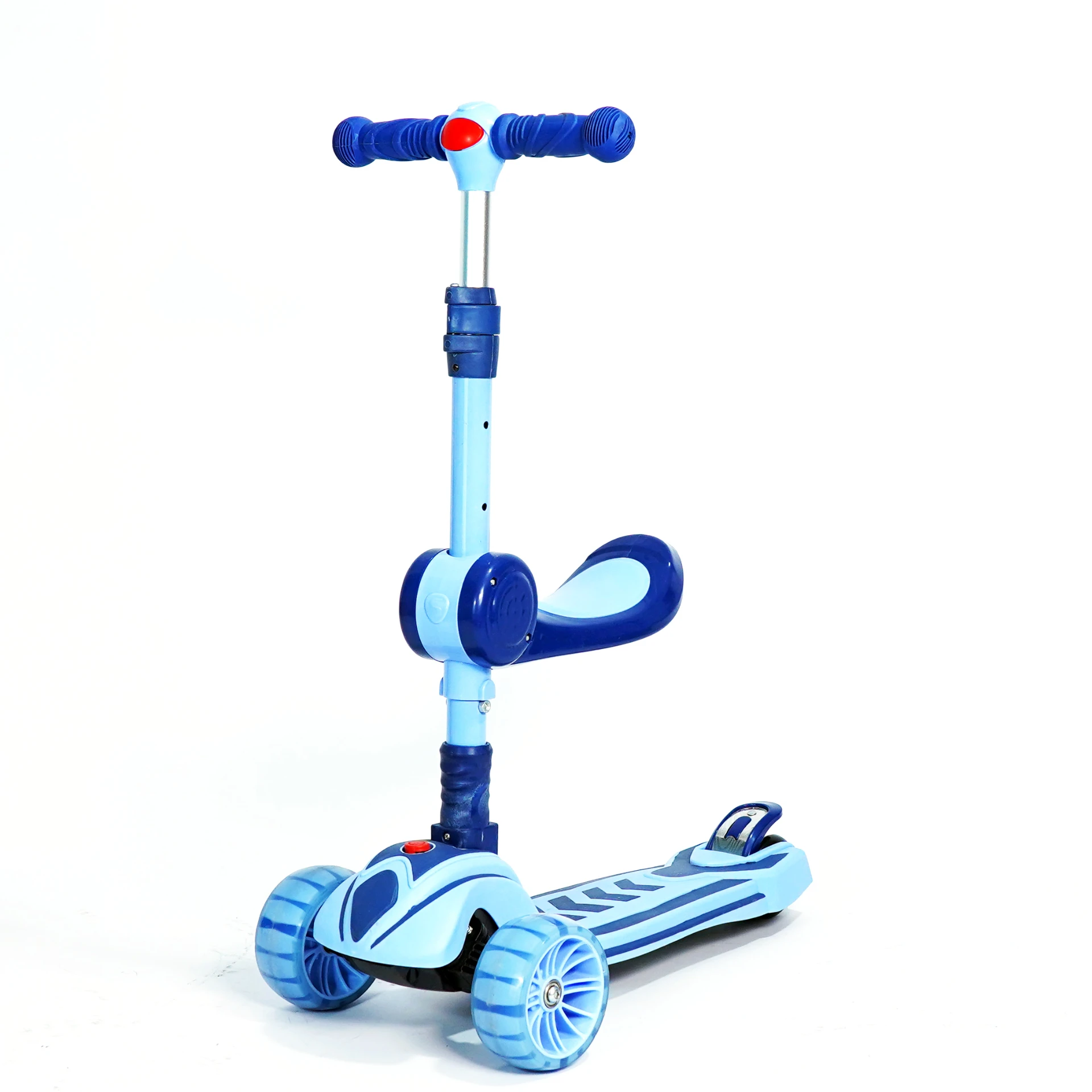
EU Child 3 To 10 Years Baby Soccer Kick Scooters & Foot Scooters For Kids Boys
-

Factory Sale Kid Scooter Foot scooter Kids Kick scooter For Toddler.
-
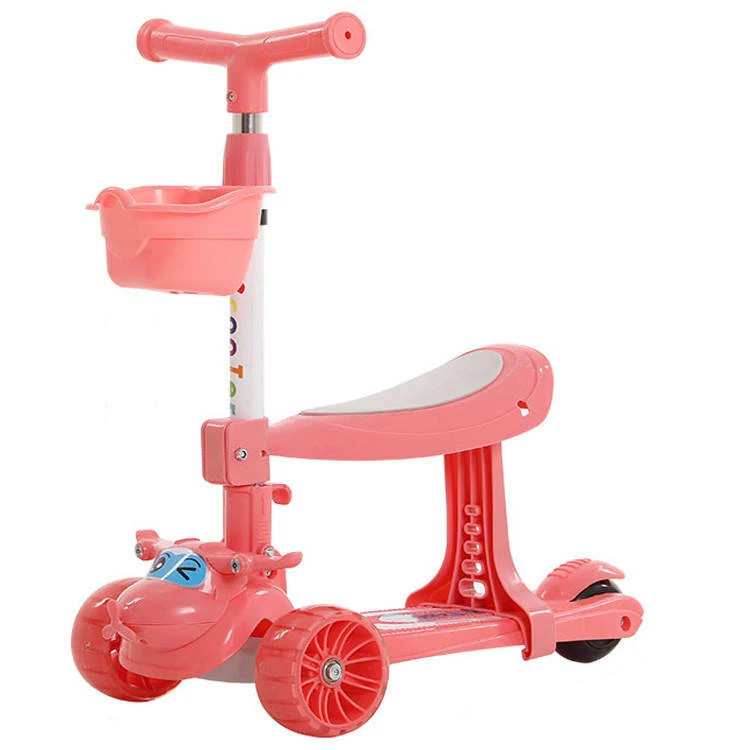
Best Seller Multifunctional Folding Kid Kick 3 Wheels Children Foot Scooter Foldable Baby Kid Scooters
-
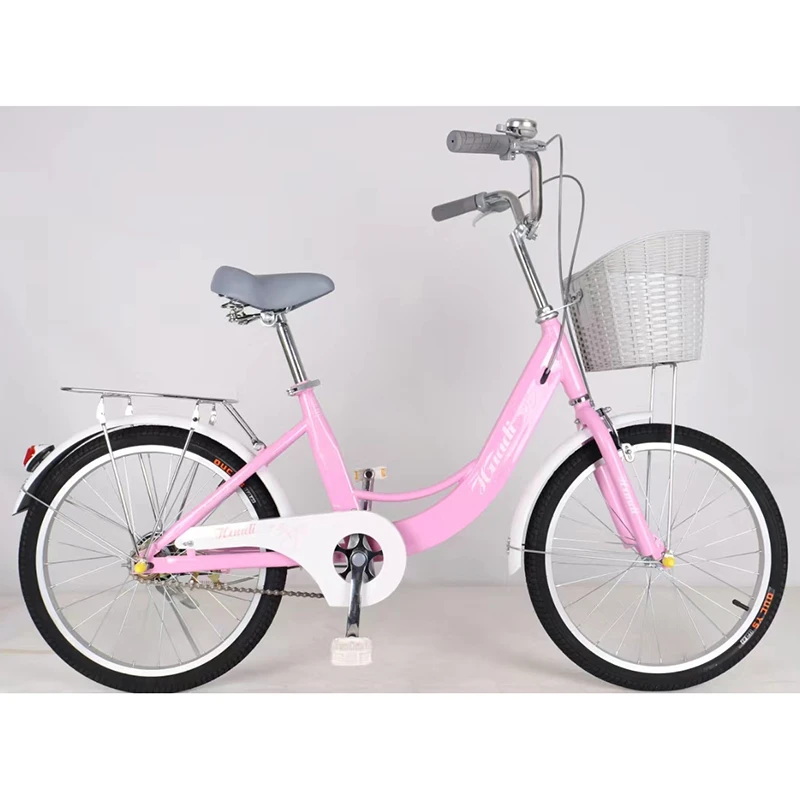
Hot sale kids bikes OEM custom cheap baby children bicycle bike beautiful cycle for girls kids
 Afrikaans
 Albanian
 Amharic
 Arabic
 Armenian
 Azerbaijani
 Basque
 Belarusian
 Bengali
 Bosnian
 Bulgarian
 Catalan
 Cebuano
 Corsican
 Croatian
 Czech
Czech
 Danish
 Dutch
Dutch
 Esperanto
 Estonian
 Finnish
 French
 Frisian
 Galician
 Georgian
 German
 Greek
Greek
 Gujarati
 Haitian Creole
 Hausa
Hausa
 Hawaiian
 Hebrew
 Hindi
Hindi
 Miao
Miao
 Hungarian
 Icelandic
 Igbo
Igbo
 Indonesian
 Irish
Irish
 Italian
 Japanese
 Javanese
 Kannada
 Kazakh
 Khmer
Khmer
 Rwandese
 Korean
 Kurdish
 Kyrgyz
 Lao
Lao
 Latin
Latin
 Latvian
 Lithuanian
 Luxembourgish
 Macedonian
 Malgashi
 Malay
Malay
 Malayalam
 Maltese
 Maori
Maori
 Marathi
 Mongolian
 Myanmar
 Nepali
 Norwegian
 Norwegian
 Occitan
 Pashto
 Persian
 Polish
 Portuguese
 Punjabi
 Romanian
 Russian
 Samoan
 Scottish Gaelic
 Serbian
 Sesotho
 Shona
Shona
 Sindhi
 Sinhala
 Slovak
 Slovenian
 Somali
 Spanish
 Sundanese
 Swahili
 Swedish
 Tagalog
 Tajik
Tajik
 Tamil
Tamil
 Tatar
Tatar
 Telugu
 Thai
Thai
 Turkish
 Turkmen
 Ukrainian
 Urdu
Urdu
 Uighur
 Uzbek
Uzbek
 Vietnamese
 Welsh
Welsh
 Bantu
Bantu
 Yiddish
 Yoruba
 Zulu
Zulu
 English